

Image
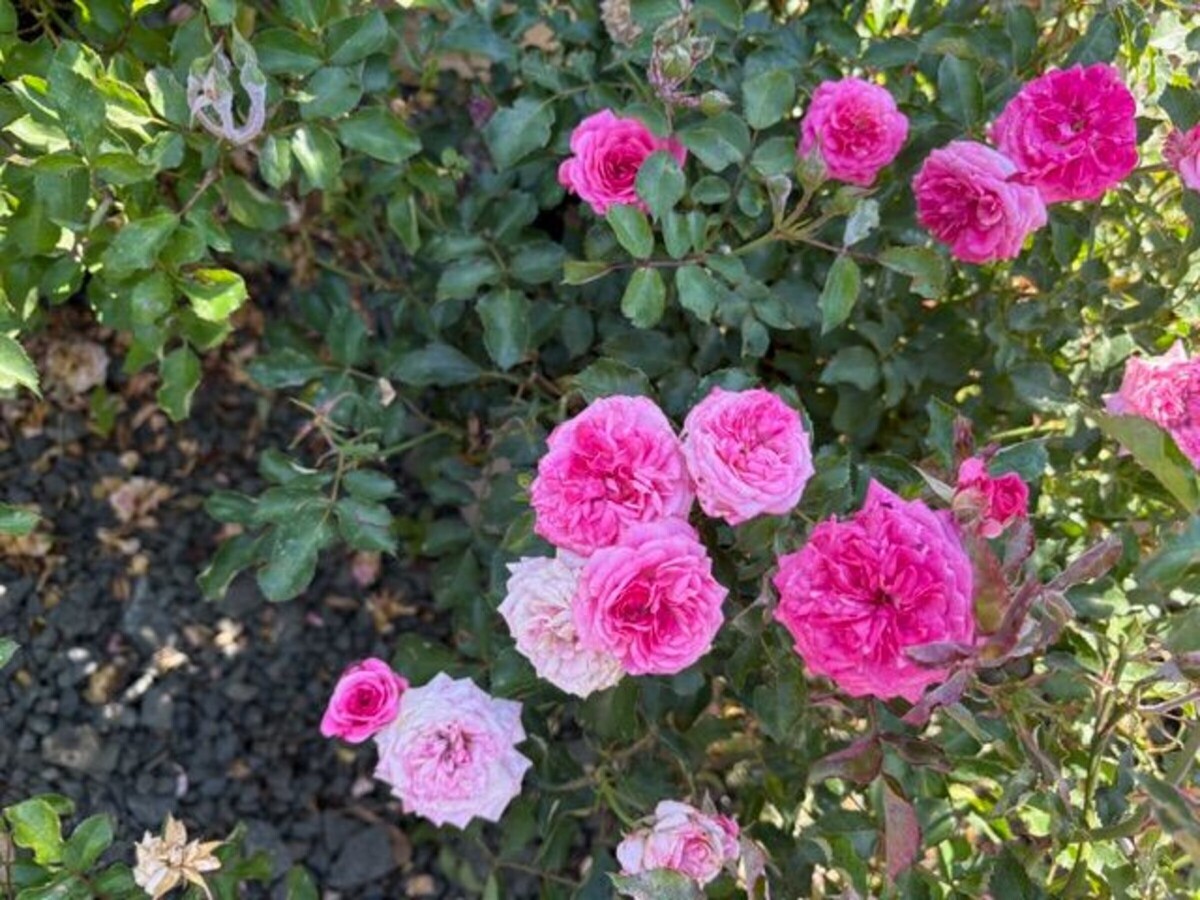
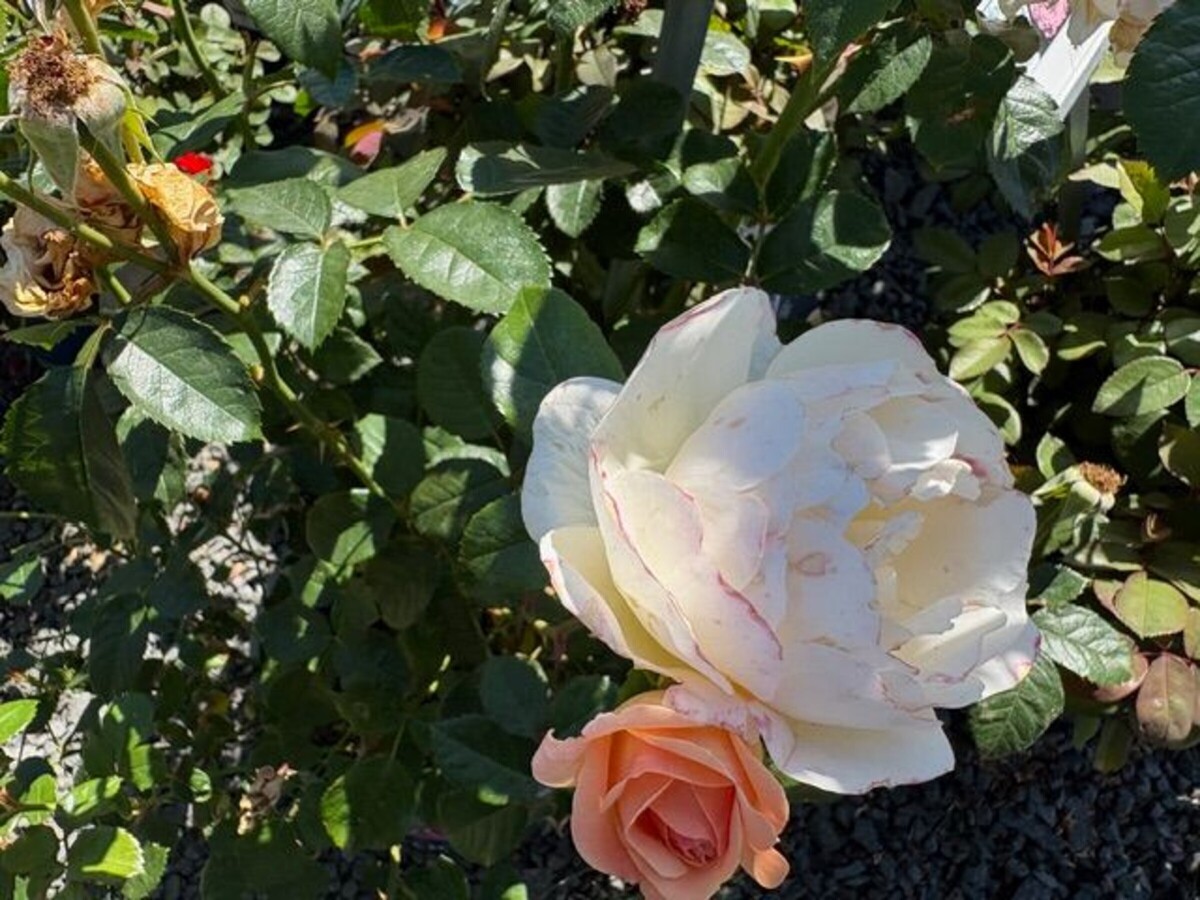
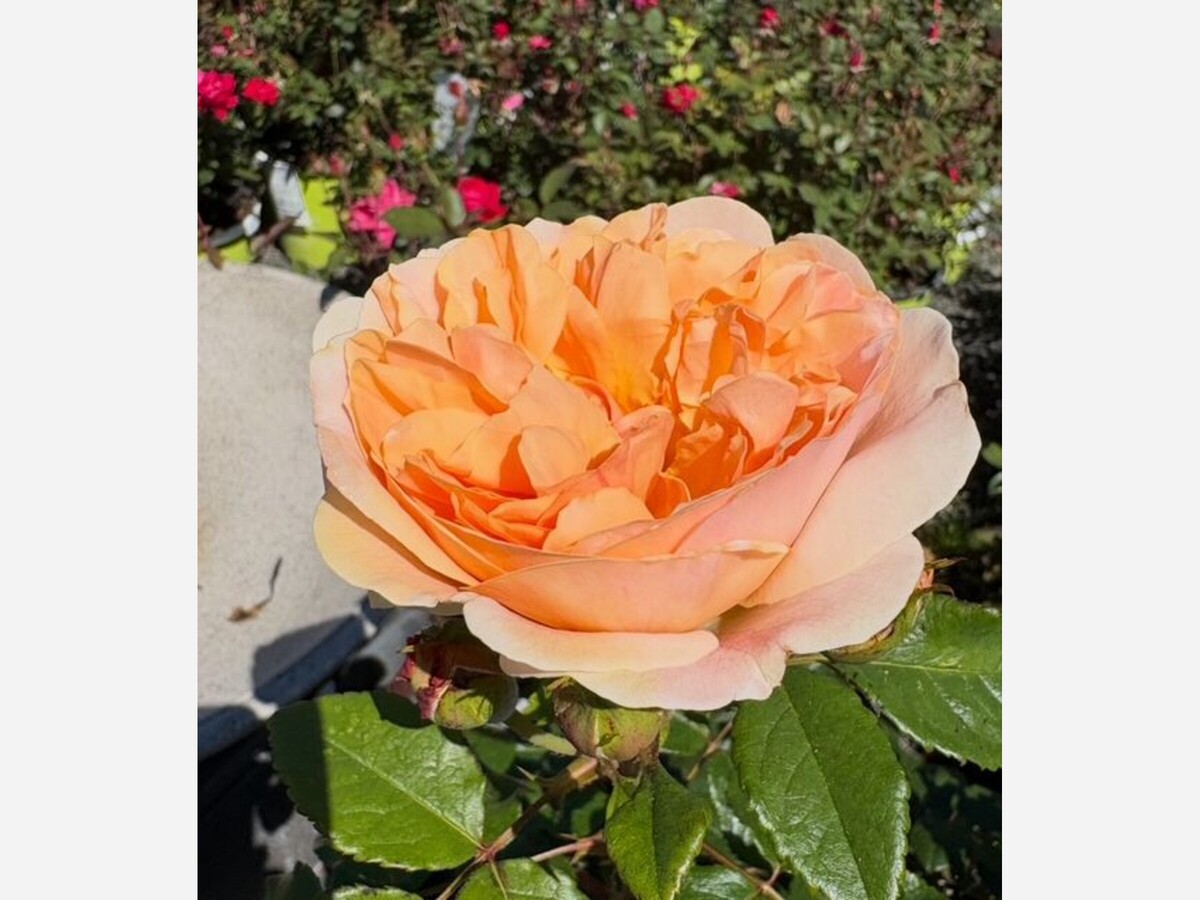
Roses are valued for their vibrant colors, fragrance, and timeless appeal. Gardening experts at Down to Earth Living note that cultivating healthy roses is easier than many beginners anticipate. With the right location, consistent care, and attention to local conditions, roses can produce abundant blooms throughout the season.
How to Grow Healthy, Beautiful Roses
· Select the Right Location
· Water Consistently
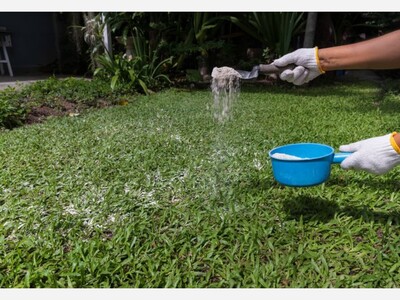
· Fertilize Regularly
· Prune Regularly
· Control Pests and Diseases
· Lay Mulch
· Protect from Winter Cold
Managing humidity is crucial for gardeners in the Hudson Valley and northern New Jersey. To promote healthy roses and prevent moisture-related diseases, ensure proper plant spacing and water directly at the base.
Attracting Pollinators and Hummingbirds
Roses bring vibrant color and fragrance, but adding plants that attract hummingbirds and pollinators can further enhance your garden. Ruby-throated hummingbirds, now common throughout the Hudson Valley, feed and nest actively after migrating from Central America and southern Mexico. Early June is a peak time, as they defend territories and depend on nectar-rich gardens.
Add nectar-rich companions like Monarda (Bee Balm), Cardinal Flower, Honeysuckle, Lantana, Coral Bells, Columbine, and Salvia to your rose garden. Bright, tubular flowers in red, orange, and pink attract hummingbirds, butterflies, and other pollinators, supporting a healthy ecosystem. To attract hummingbirds, add companion plants, provide shallow water, avoid pesticides, and plant shrubs or small trees for shelter.
"Roses can be challenging," says Stuart Leventhal, owner of Down to Earth Living, "but many modern varieties are easier to maintain and more disease-resistant. With sunlight, water, nutrients, and care, roses provide months of color and fragrance. Pairing them with hummingbird-friendly flowers such as Monarda, Cardinal Flower, Honeysuckle, and Lantana creates a vibrant garden with continuous blooms and thriving wildlife."
About Down to Earth Living
Down to Earth Living encourages customers to bring inspiration, such as online images or magazine clippings, along with photos of their space for personalized guidance. The team helps select the right plants, shrubs, containers, statuary, and more to achieve the desired look. The expanded indoor plant showroom is now open for the spring season, and free repotting is available with the purchase of a plant or pot, making the shopping experience both easy and enjoyable.
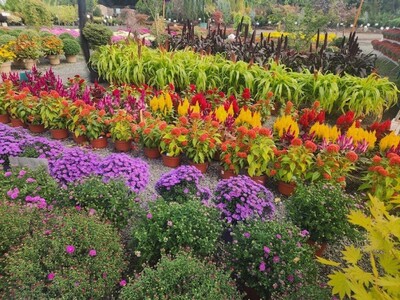
Down to Earth Living, now in its 56th year, is a Garden Center serving Rockland, Bergen, and Orange counties and the Hudson Valley, offering 12.5 acres filled with perennials, flowers, shrubs, and trees, with new plants arriving weekly. The 10,000-square-foot showroom features a selection of contemporary, classic, traditional, and transitional teak, aluminum, and all-weather dining and deep-seated furniture. Located at 1040 Route 45 in Pomona, N.Y., For more information, call 845-354-8500 or visit www.dteliving.com
# # #


Sunny, with a high of 70 and low of 46 degrees. Sunny in the morning, clear in the afternoon and evening,