57° and Light rain



Image
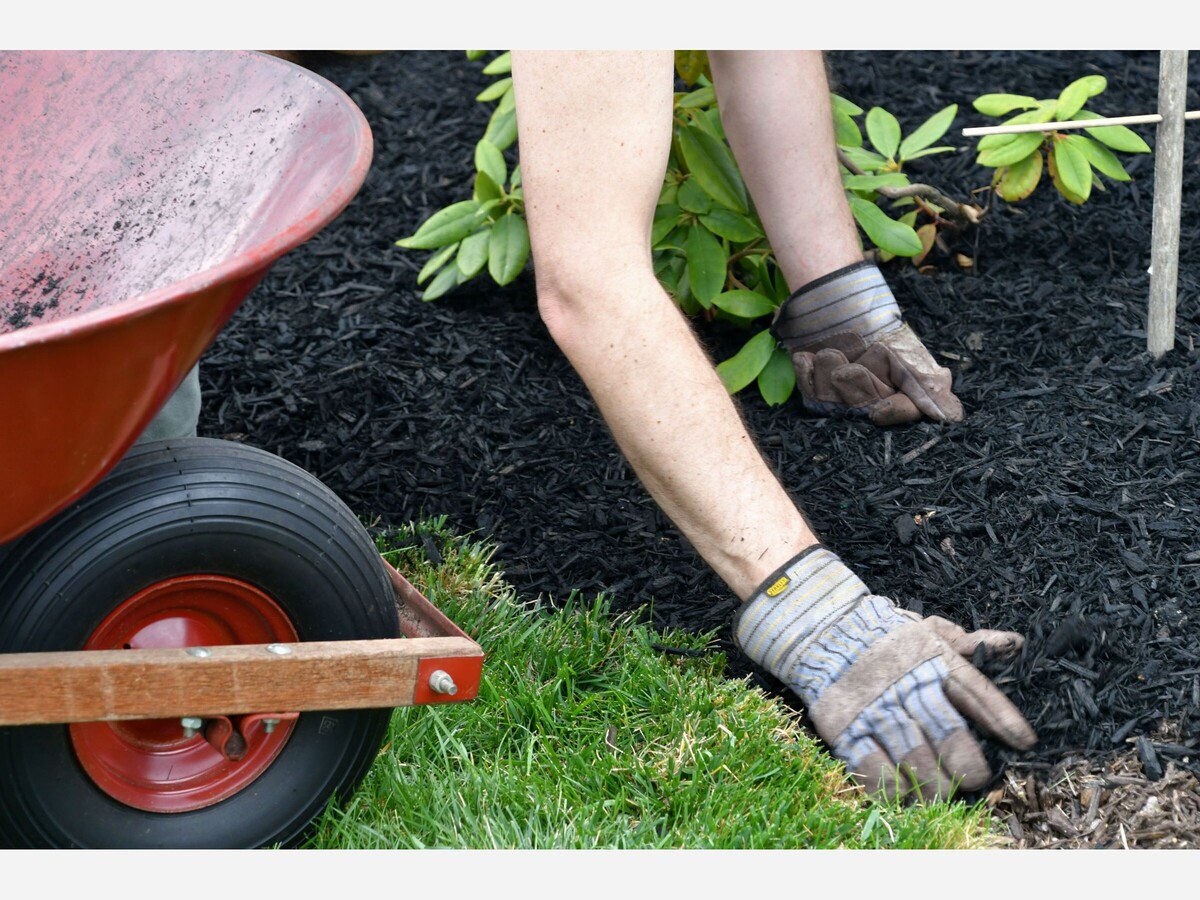
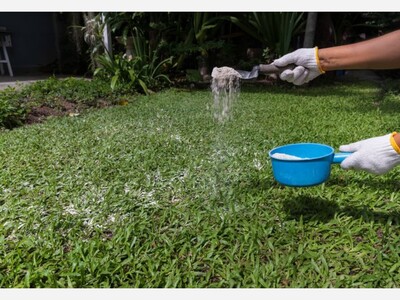
A healthy lawn isn't just about appearance, it can also play an important role in conserving water and helping landscapes better withstand the challenges of hot summer weather. The Rockland County Water Advisory Council encourages homeowners to focus on simple lawn care practices that naturally reduce water demand while strengthening grass, gardens, and soil during the hottest months of the year.
Rather than relying on excessive watering, residents can often improve the health of their lawns through proper mowing, mulching, weeding, and use of natural rainfall. These practices help create stronger root systems, improve soil health, and reduce moisture loss throughout the summer season.
The Water Advisory Council encourages homeowners to implement these simple tips:
"Many homeowners assume more water is the best way to maintain a healthy lawn during the summer, but healthy landscapes begin with healthy lawn care practices," said Council Chair Beth Davidson. "Simple steps like raising one’s mower blades, removing weeds, applying mulch, and making better use of natural rainfall can help homeowners maintain attractive landscapes while conserving water—and reducing irrigation costs!"
As part of its ongoing educational outreach efforts, the Water Advisory Council will host its July Lunch & Learn webinar, "Hudson Valley Flood Resilience Network (FRN)," on July 30 from 12:00 p.m. to 1:00 p.m. As flash floods become more common during the summer due to seasonal storms, the webinar will highlight the FRN’s collaborative efforts to strengthen communities throughout the Hudson River estuary watershed. Participants will learn how local governments, regional organizations, and technical experts are working together to improve flood resilience through education, planning, and adaptation strategies.
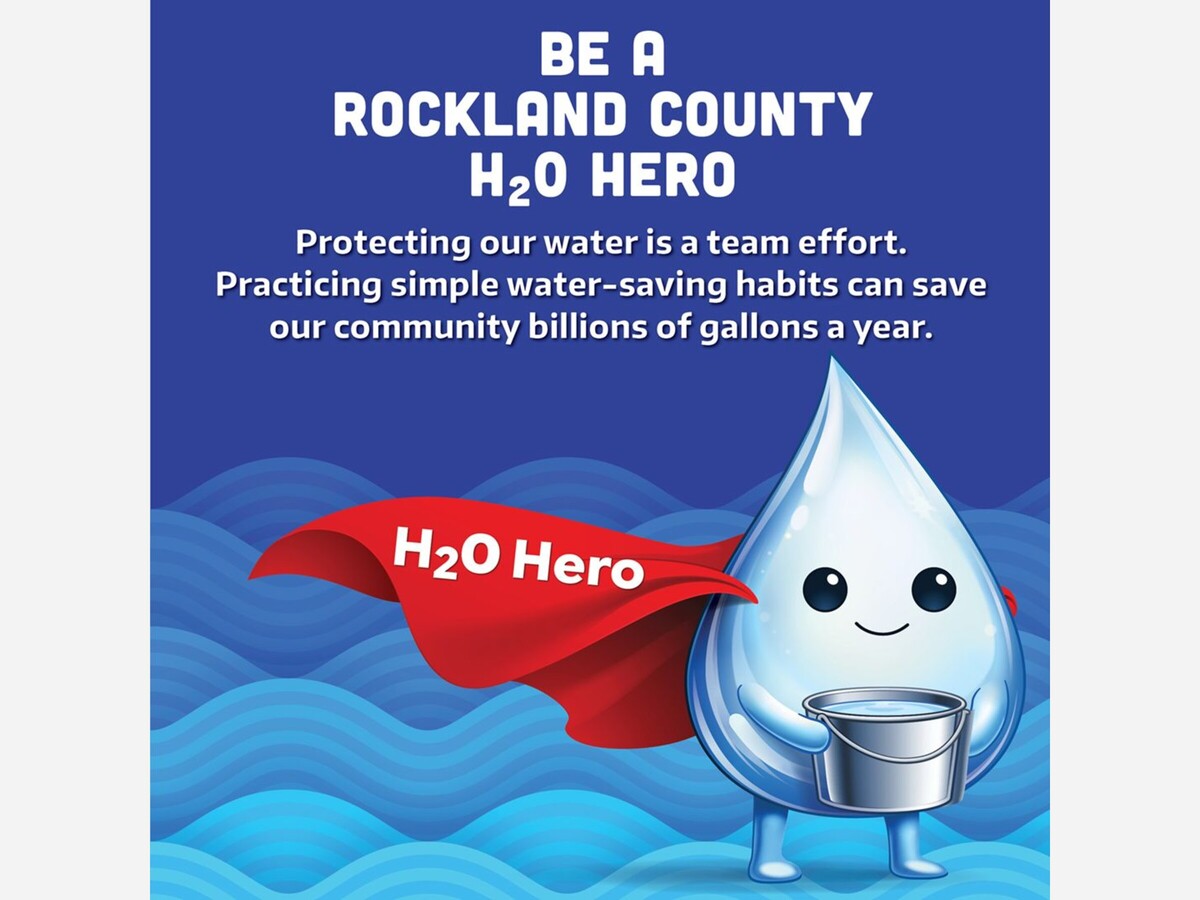
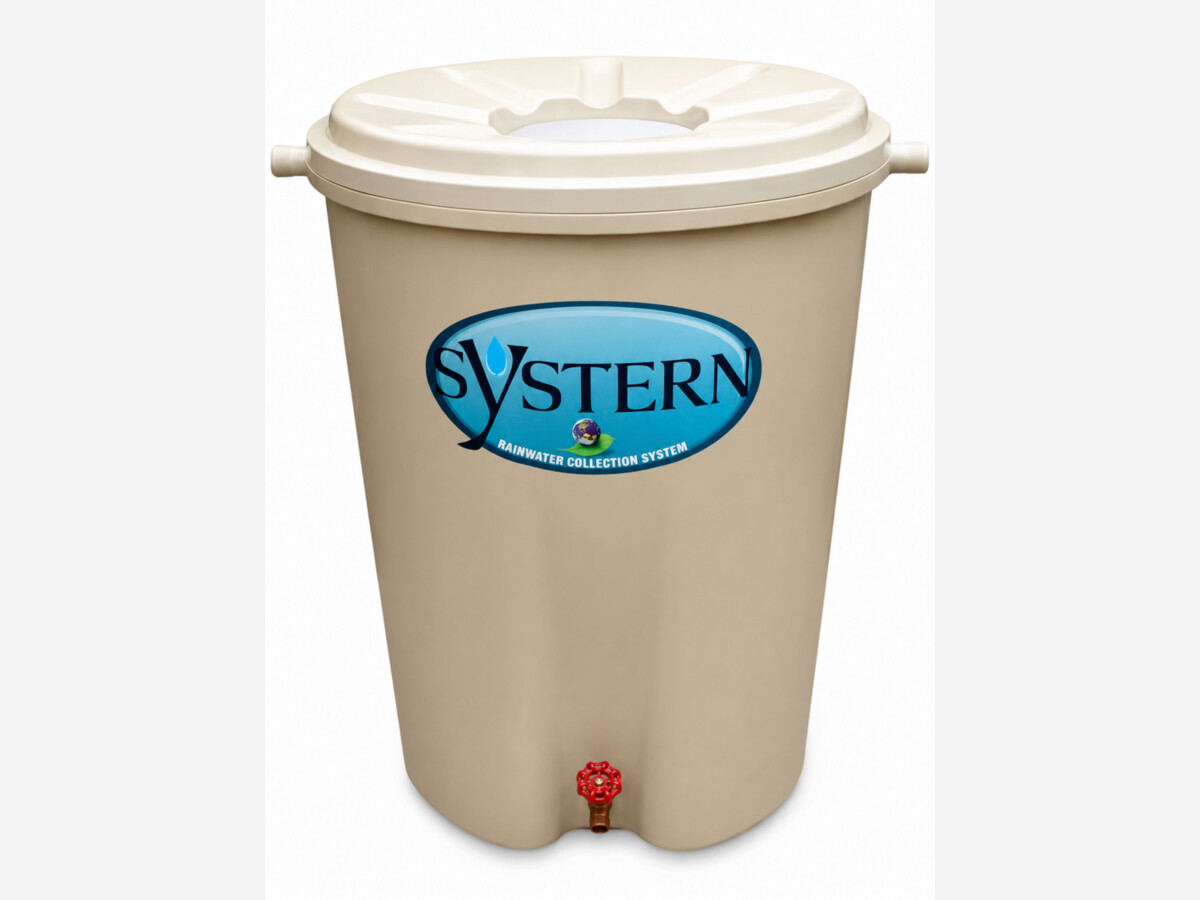
Residents are encouraged to visit the Water Advisory Council's Water Hero website at https://rcklnd.us/waterhero for webinar registration, seasonal conservation tips, educational resources, and information about becoming a Rockland County H₂O Hero. Additionally, we encourage homeowners to participate in the Less Lawn More Life Challenge, which features educational resources to help protect our lands and waterways, including, "Too Much Water, Too Little: Rainwater Harvesting for Any Yard," by Brad Lancaster.
The Rockland County Water Conservation Project is funded by the New York State Department of Environmental Conservation.
# # #
Follow us on LinkedIn: linkedin.com/showcase/rocklandwatertf/
Like us on Facebook: https://www.facebook.com/RocklandWaterTF/
Visit our website: RocklandCountyNY.gov


Overcast, with a high of 59 and low of 55 degrees. Overcast in the morning, light rain for the afternoon, patchy rain nearby in the evening, overcast overnight.