

Image
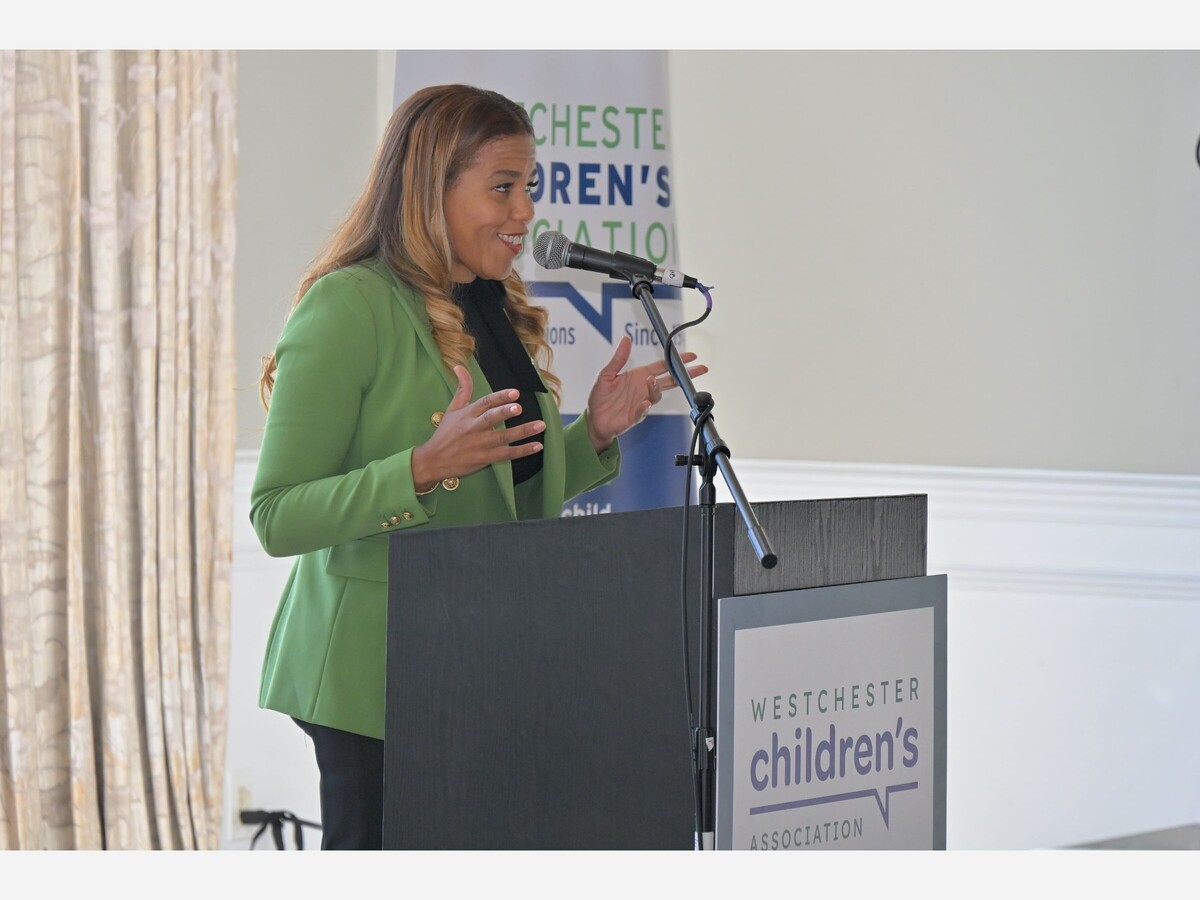
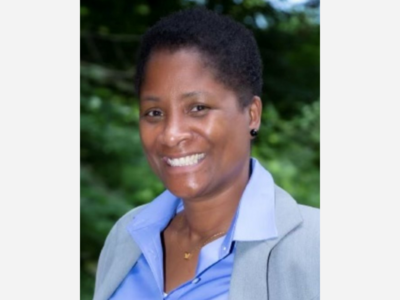
Dr. DaMia Harris-Madden, commissioner of the New York State Office of Children and Family Services
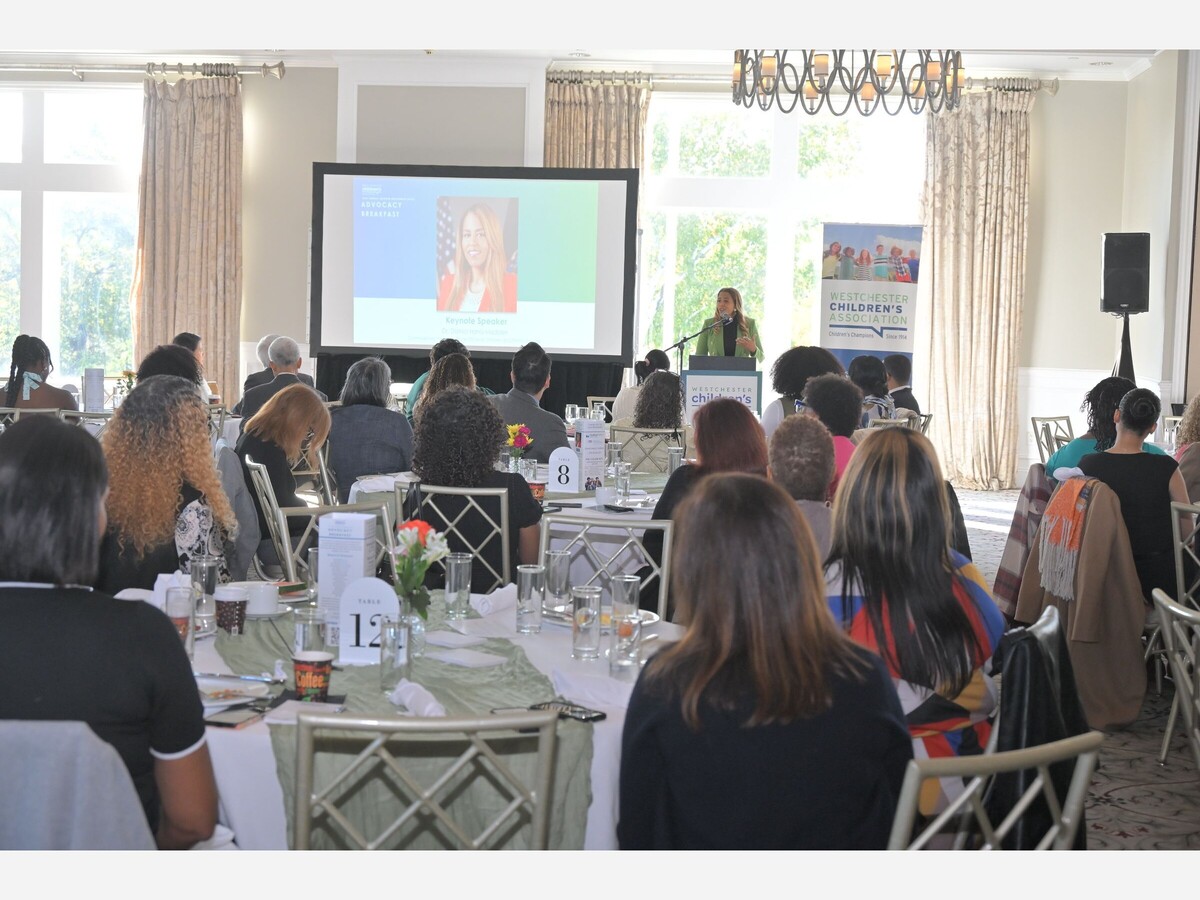
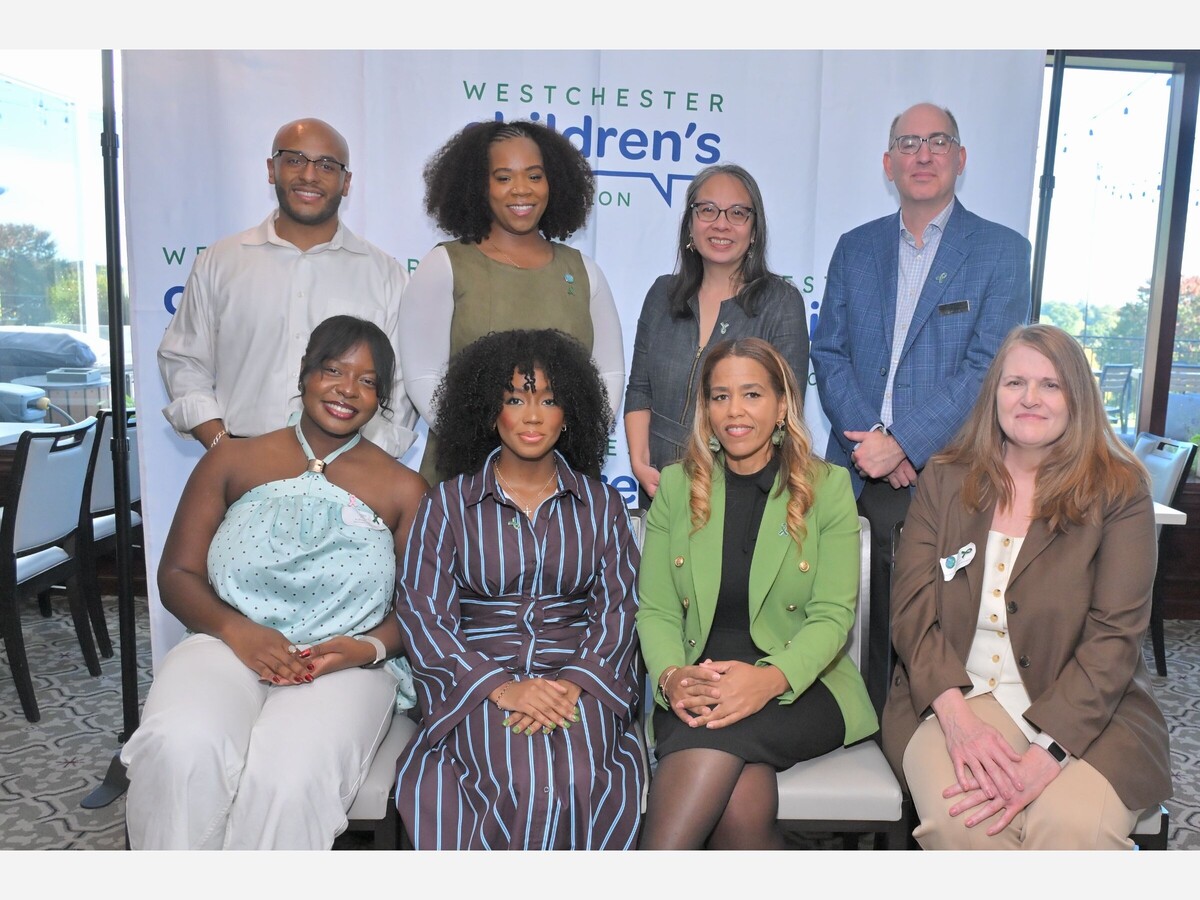
More than 165 advocates, policymakers, community leaders and child-serving professionals gathered at Harrison Meadows Country Club on October 20 for Westchester Children’s Association’s (WCA) 20th Annual Advocacy Breakfast, where New York State Office of Children and Family Services (OCFS) Commissioner Dr. DaMia Harris-Madden delivered a keynote address calling for greater collaboration among the systems that serve children and families.
The milestone event, themed “Beyond the Silo: Building Connected Systems for Every Child,” explored how education, health care, housing, mental health, child welfare and youth justice systems can work together more effectively to address the needs of children and families. Dr. Harris-Madden delivered the Kathryn Wasserman Davis Child Advocacy Lecture, emphasizing the importance of moving away from fragmented services and toward coordinated, prevention-focused approaches that support the well-being of the whole child.
“Helping a whole child requires helping a whole family,” Dr. Harris-Madden emphasized during her remarks, describing New York State's efforts to shift from punitive child welfare practices toward strategies that strengthen families and address challenges before they become crises.
Throughout her address, Dr. Harris-Madden illustrated how disconnected systems can create additional hardships for families already facing significant challenges, including domestic violence, housing instability, poverty, substance use and limited access to health care. She shared examples of families navigating multiple agencies, often forced to repeat their stories, complete duplicative paperwork and overcome barriers to accessing essential services.
She also stressed that poverty should not be confused with neglect and that families should be connected with resources and support whenever possible, rather than unnecessarily drawn into the child welfare system.
A central theme of the keynote was the importance of incorporating the perspectives of individuals who have firsthand experience navigating these systems. Dr. Harris-Madden urged policymakers and service providers to ensure that those most affected by public policies have a meaningful role in shaping solutions.
“The future of human services includes people with lived experience not as an advisory afterthought but at the design table, in the data review, on the board, and on the payroll,” she stated.
Dr. Harris-Madden also highlighted several initiatives underway in New York State aimed at improving coordination and strengthening support for children and families, including:
The Commissioner also addressed the challenges posed by federal funding reductions and policy changes affecting health care and food assistance, warning that increased financial pressures on families make collaboration among government agencies, nonprofits and community organizations even more critical.
As WCA marked two decades of bringing together advocates and decision-makers through its annual breakfast, the event reinforced the organization's longstanding commitment to using research, data and community engagement to advance policies that improve children's lives.
“For 20 years, our Advocacy Breakfast has brought together people who share a commitment to improving the lives of Westchester's children,” said Adam Rabinovitch, Executive Director of WCA. “This year's conversation underscored an important reality: children and families do not experience their challenges in isolation, and our systems should not operate that way either. We are grateful to Commissioner Harris-Madden for challenging all of us to think differently about how we work together and for reminding us that meaningful change requires collaboration, prevention and a commitment to listening to the families we serve.”
The breakfast was sponsored by WMCHealth Maria Fareri Children's Hospital and Hudson Valley Credit Union, Constance Curran and Leslie Allen.
About Westchester Children’s Association
Founded in 1914, the Westchester Children’s Association is the only independent child advocacy organization in Westchester County. WCA uses data, research, and community engagement to drive policy solutions that ensure every child is healthy, safe, and prepared for life’s challenges, regardless of race, income, or zip code.

Sunny, with a high of 59 and low of 44 degrees. Cloudy for the morning, sunny in the afternoon, clear in the evening, cloudy overnight.