57° and Light rain



Image
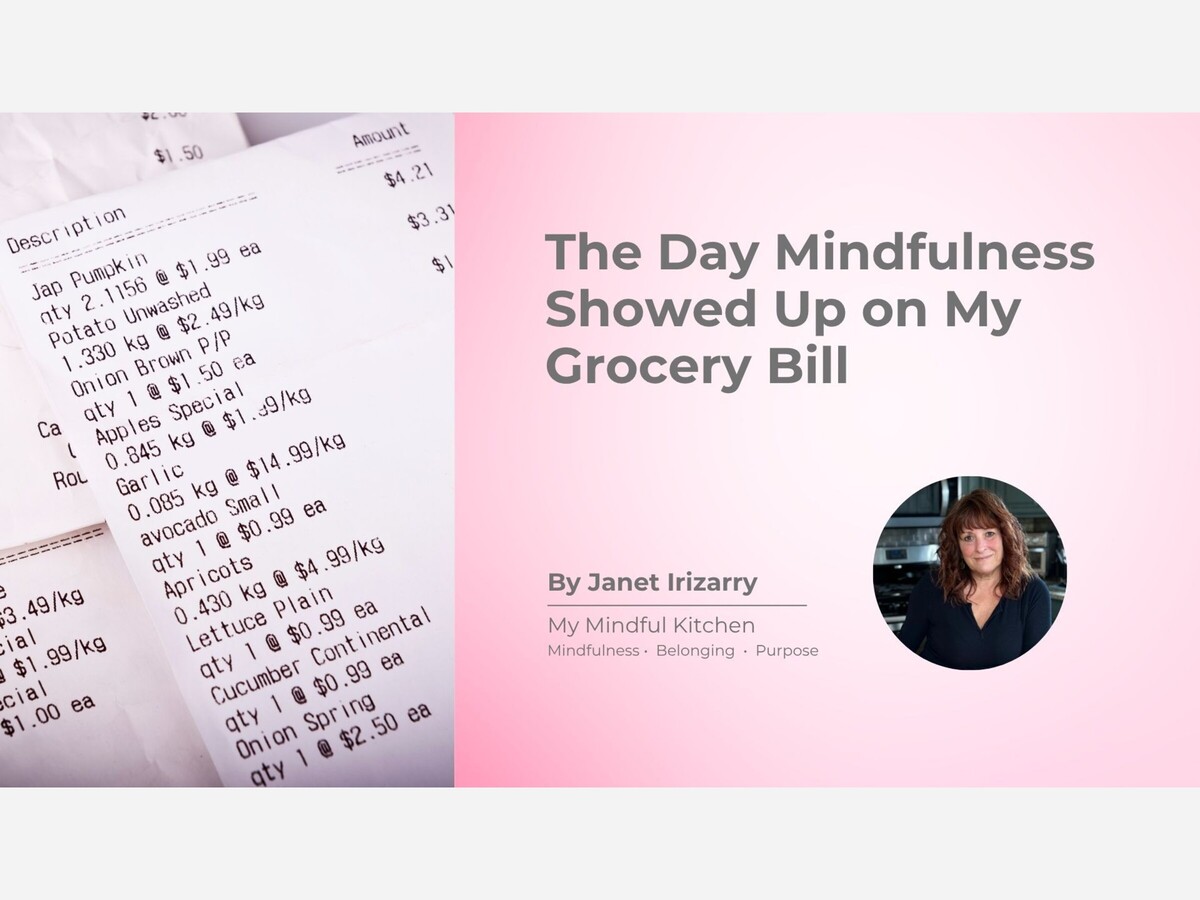
A reader asked me a question the other day. What is the best part of being a mindful foodie? My answer shifts depending on the day because there are many parts I love. One answer stays steady, and it might surprise you.
It is the money.
The average family of four throws away $2,913 worth of food every year. That is about $56 a week. Now picture yourself at your kitchen counter on a Sunday morning. You pull three twenties from your wallet and place them straight into the trash. No one would do that. Yet many of us do something similar with food. It happens quietly. A little at a time. Half a bag of spinach. A container of leftovers that slides to the back of the fridge.
My mindful journey did not begin with saving money. It began when climate change started showing up more and more in the news, and I learned that food waste was a major contributor. Around the same time, I started helping out at local food pantries and realized how much I took food for granted. I was lucky. I always had food on my table and couldn't imagine not having it. And the irony bothered me. We throw out so much food while others don't have enough to eat.
Both changed how I looked at my own kitchen, and I started paying attention to my habits. When I really looked at what I was throwing away, honestly, I felt embarrassed. I had owned restaurants where knowing the path of every dollar of product mattered. At home, I did not think about it at all.
So, what does this have to do with mindfulness. Everything.
Money is where mindfulness becomes real. You cannot measure presence or connection on paper, but you can measure your grocery bill. When I became more mindful, I noticed two things. I threw out less, and I bought less. This happened because I used more of what I already had, and I stored food in ways that helped it stay fresh longer. I also found myself skipping impulse purchases without even trying. All of this added up to a simple result. My grocery bill dropped. The best thing, I did not have to choose between my budget and my values. In the kitchen, they support each other.
This is the part many people miss. They hear mindful and assume it means more time or more effort or more guilt. My experience has been different. Awareness gives something back. It begins with the money. The money gets your attention. What follows is a kitchen that feels lighter and a grocery bill that feels better.
Here is what I want you to try this week. Before you shop, open your refrigerator and take five minutes. Look with intention. Notice what needs to be used first. Build one meal around it. Chef David Burke calls this a bonus meal. I love that phrase because it is true. It is dinner you already paid for.
Then watch what happens at the register. A skipped purchase. A smaller cart. $56 a week adds up to more than $200 a month. That is real money. It has been in your kitchen the entire time.
I will be doing this with you. Tonight the plan is to make my own bonus meal from whatever I find in the back of my fridge. Hit reply and tell me what night of the week you are going to make yours.



Overcast, with a high of 59 and low of 55 degrees. Overcast in the morning, light rain for the afternoon, patchy rain nearby in the evening, overcast overnight.