75° and Overcast



Image
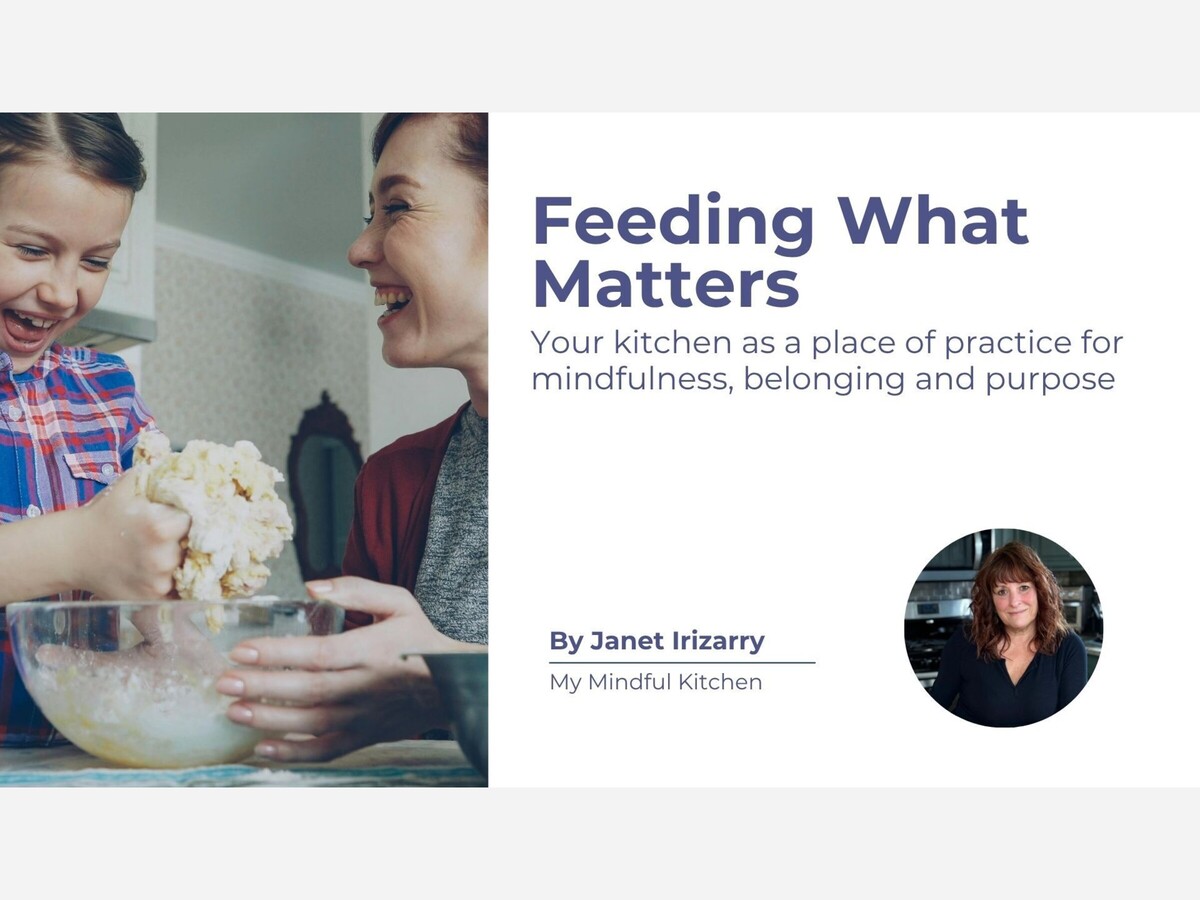
As I’ve become more mindful in my kitchen, I’ve come to realize something simple that can be easy to overlook. Nourishment takes different forms. Some things support our physical bodies, and others support our emotional lives. They show up in different ways.
Physical needs are direct. Hunger leads us to eat. Thirst leads us to drink. Low energy leads us to reach for something that restores it. Emotional needs move more quietly. They appear as a sense of unease when something feels off, or as a sense of ease when something aligns with what matters. Because of this, they often fade into the background when our attention is elsewhere.
Most of us move through our days on autopilot. We step into the kitchen distracted and pressed for time. We open the refrigerator, scan the shelves, and make quick decisions before pausing to think about them. This is how the brain works. Repetition shapes what we notice, and autopilot becomes familiar through practice. Over time, attention follows what it sees most often. When it is pulled toward stress, urgency, and what feels off, those patterns become easier to recognize. The world can begin to feel heavier as a result. Emotional needs remain in the background when attention moves in this direction.
Just as our bodies depend on food, our emotional lives depend on something as well. They depend on connection, purpose, and care. They depend on a sense that our lives reflect what matters to us. This is where the kitchen begins to take on a different role. The kitchen is a place we return to each day. It invites presence through simple, physical actions. You chop, you stir, you wait. Your hands are engaged and your senses are active. When attention shifts to what is happening in these moments, autopilot softens and something new can begin.
Mindfulness in the kitchen comes through noticing. The warmth of the water. The sound of a knife on the board. The smell rising from a pan. It also includes noticing yourself. Your breath, your pace, your mood. From that place, the experience begins to change. Meals begin to feel different. They become shared moments. A conversation unfolds. A memory forms. A sense of connection grows. Food carries more than nourishment. A recipe passed down. A familiar smell. A meal shared at the end of the day. These moments connect us to each other and to what matters.
For parents, the kitchen holds another layer of meaning. It is a place where children learn through what they see. When they are invited into the process, they experience care and responsibility in a natural way. These everyday moments shape how they understand the world.
This is what it means to feed what matters. It comes through small, everyday choices that bring our actions closer to what we value.
We are always feeding something. The question becomes, what are we choosing to nourish?



Sunny, with a high of 80 and low of 63 degrees. Overcast for the morning, clear overnight.