62° and Overcast



Image
As spring planting season gets underway, the Rockland County Task Force on Water Resources Management is encouraging residents to rethink traditional landscaping practices and embrace water-smart alternatives that support both environmental health and long-term water sustainability.
There are many benefits when it comes to reducing areas of lawn that serve little practical purpose (often referred to as ornamental or nonfunctional turf) which can require significant watering without providing environmental value. Homeowners can consider converting small sections of these areas into native planting beds or drought-tolerant plants. Residents are also encouraged to explore green infrastructure practices such as rain gardens, bioswales, and rain barrels to help manage stormwater and conserve water at home. Several locations across Rockland County already incorporate these approaches. Rain gardens featuring native plants can be found at sites including Orangeburg Library, Bowline Point Park, Kennedy Dells County Park, and Piermont Library. These installations help filter pollutants, reduce stormwater runoff, and improve groundwater recharge while demonstrating how native plantings can function in everyday community spaces.
Outdoor water use increases significantly during warmer months due to higher temperatures, seasonal planting and growing needs. In Rockland, water demand rises from an approximate annual daily average of 30 million gallons of water per day to up to an estimated 45 million gallons of water per day, placing added strain on local water supplies. By making thoughtful landscaping choices early in the season, residents can help reduce water use while improving resiliency to climate change.
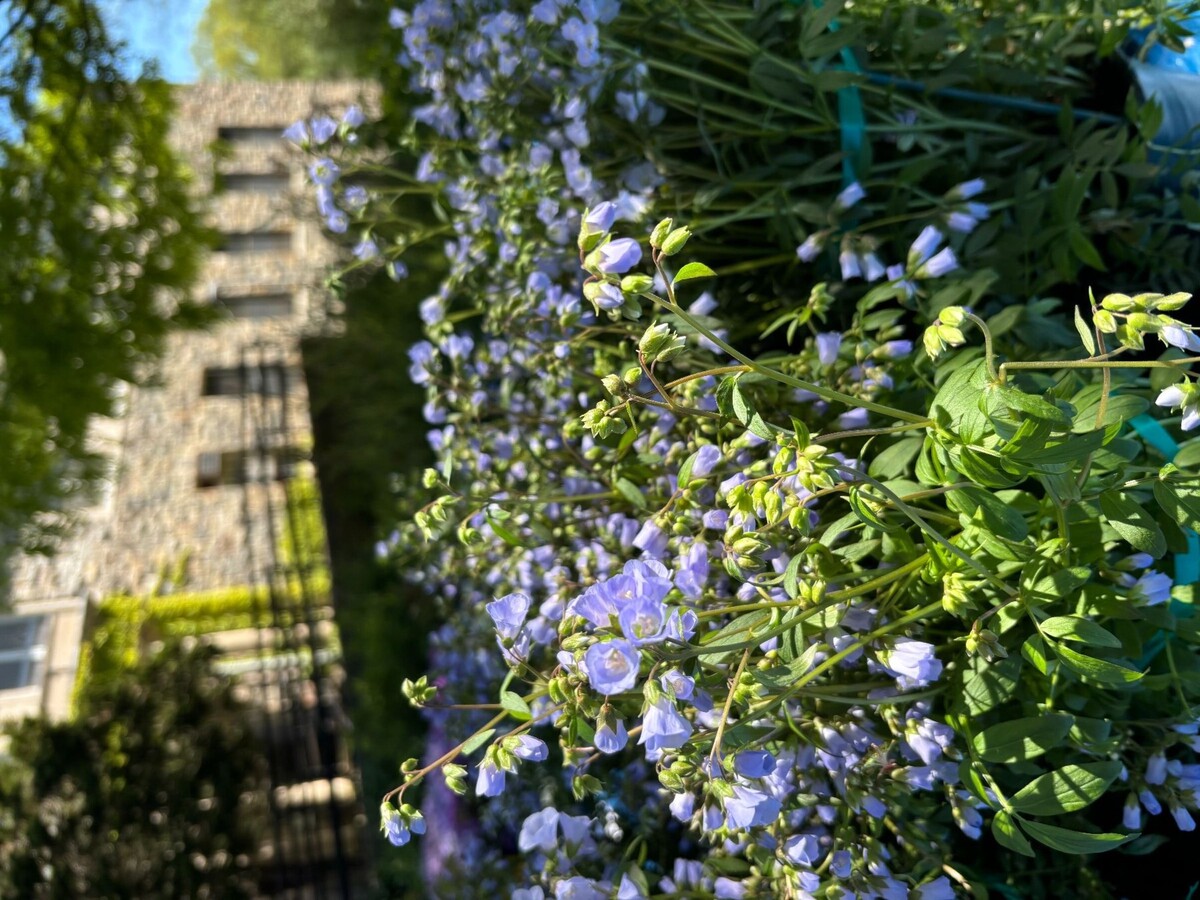
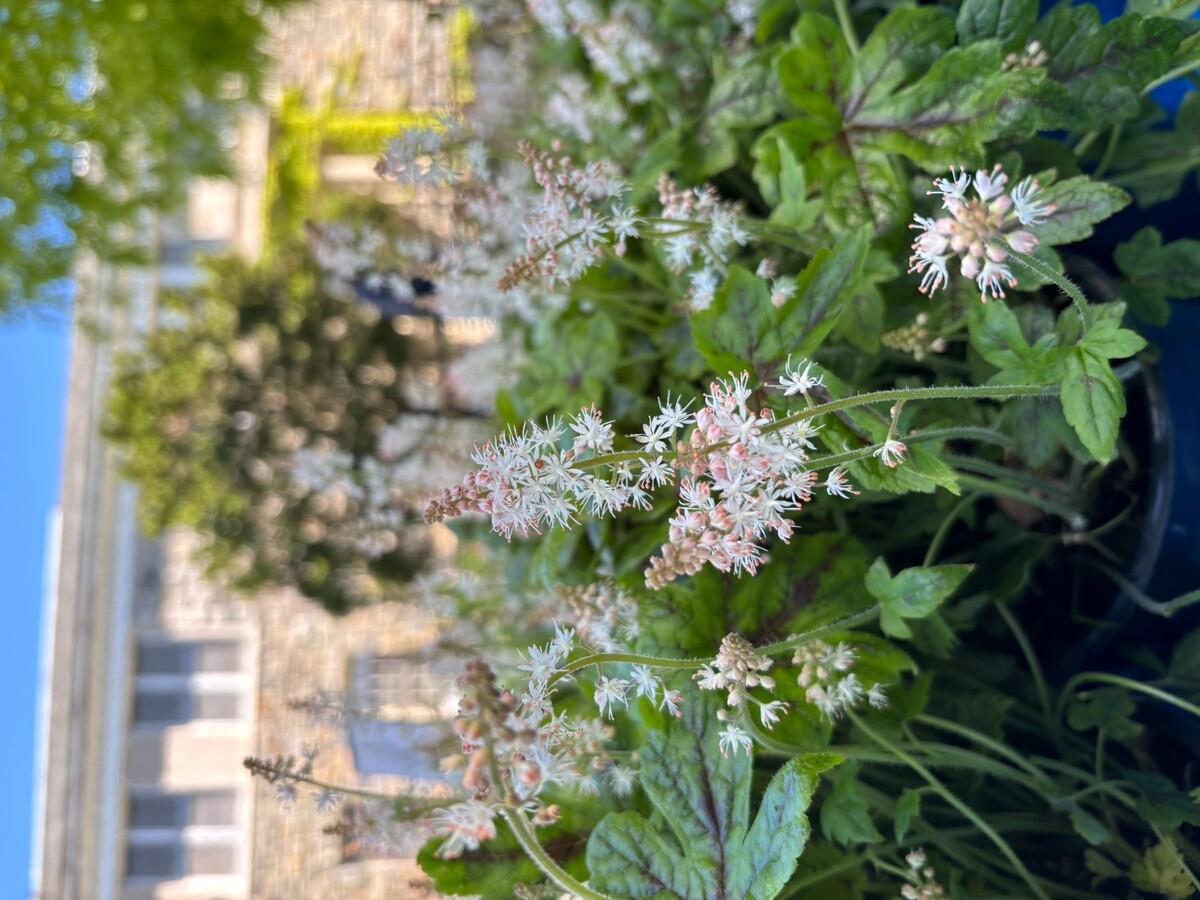
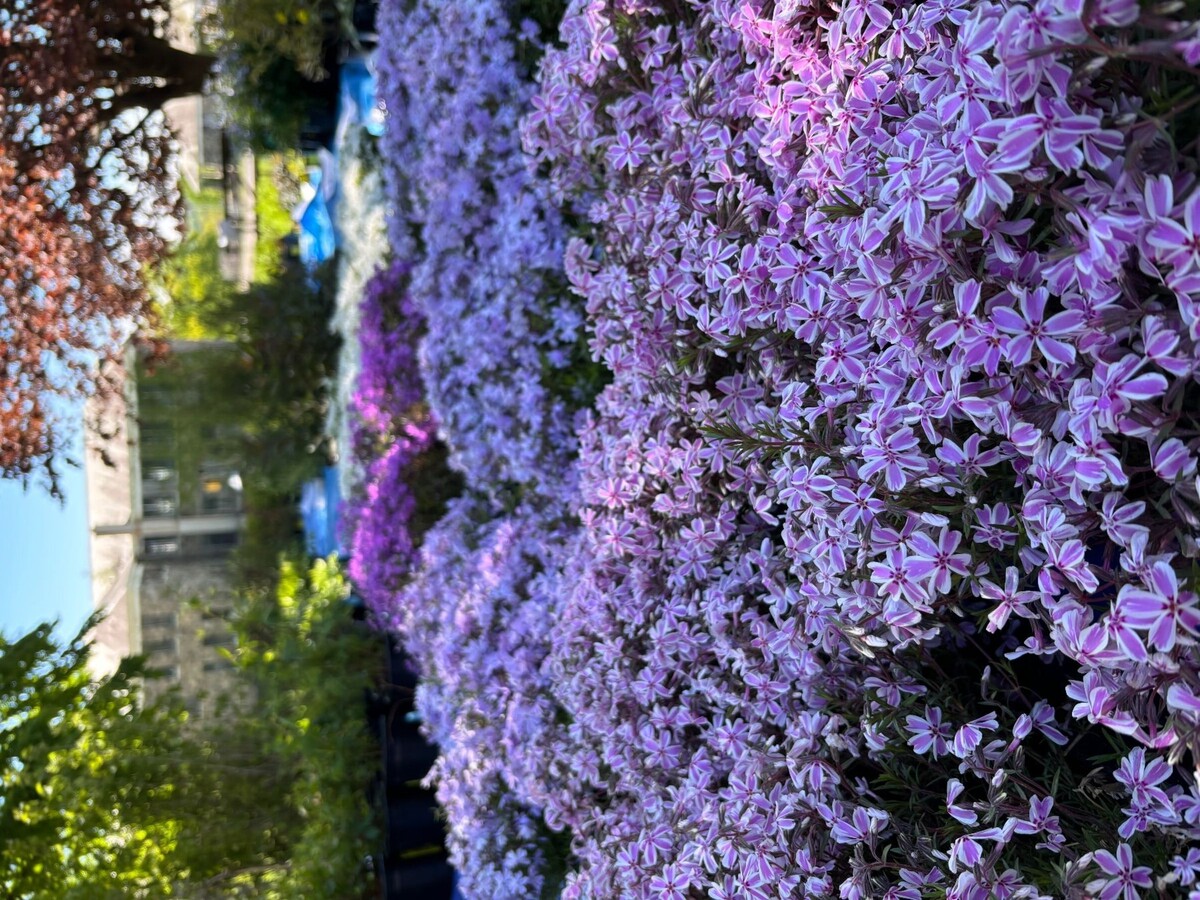
Using native plants such as Creeping Phlox, Foamflower 'Elizabeth Oliver', and Jacob’s Ladder, which are adapted to local soil and climate conditions, reduces the amount of supplemental watering needed once those plants are established. Choosing plants that match a yard’s sunlight, soil, and moisture conditions can make landscaping easier and further reduce the need for watering. Small changes like adding a few native plants to an existing garden can be an easy and impactful way for homeowners to help conserve water.
“Spring is the perfect time to think about how our landscapes can work with nature instead of against it,” said District 10 Legislator and Task Force Chair Beth Davidson. “By replacing sections of lawn areas with native plants and incorporating features that manage rainwater naturally, residents can play a direct role in protecting Rockland County’s water resources.”
Green infrastructure practices such as permeable pavement and pavers can help manage rainwater by allowing it to infiltrate into the ground, reducing flooding in parking lots and roadways. Rain gardens and bioswales (shallow, linear channels or trenches designed to manage stormwater runoff) allow stormwater to soak into the ground, while rain barrels can capture runoff for later use. Rockland County receives an average of 45 inches of rain per year which can be collected and used for a variety of things like bird baths, gardens or even washing the car. To learn more about how you can help conserve water outdoors, head to https://www.epa.gov/watersense/outdoors.
Additionally, the Water Task Force is proud to partner in the national “Less Lawn More Life” campaign, a free 12‑week challenge that helps residents transform their outdoor spaces into healthier, more sustainable landscapes. The program includes weekly expert‑led webinars, including content on native plants, pesticide and fertilizer best practices, erosion control and more. The campaign launches May 7th and participants will receive practical tools and resources to help reimagine their yards one small step at a time. Rockland County residents can register using our unique link: https://www.lesslawnmorelife.com/?ref=rocklandny
Reducing runoff, limiting overwatering, and using water efficiently helps ease demand on local water systems, improve water quality, and support groundwater recharge. These everyday actions also complement the work of the County Department of Health to protect drinking water and manage wastewater. To help residents better understand these efforts and highlight National Drinking Water Week, the Water Task Force will host a webinar later this month highlighting the services provided by the County Center for Environmental Health staff.
May Lunch & Learn Topic: Working Together for Safe Drinking Water: Local Services and Public Health
Guest Speakers: Rockland County DOH Water Supply & Wastewater
Date/Time: May 28th at 12-1pm
Registration Information: https://events.gcc.teams.microsoft.com/event/12cf18bd-eb6d-4426-9212-72945da579f7@23b7091d-d4a1-4811-acff-f31110db3743
Residents are encouraged to follow the Water Task Force on social media to learn more about water conservation, upcoming events, and available resources. Additional information and tips are also available on the website at https://www.rocklandcountyny.gov/departments/health/environmental-health/task-force-on-water-resources-management.
Residents looking for guidance on selecting and caring for native plants can also connect with Cornell Cooperative Extension of Rockland County’s Master Gardener Volunteers. The Horticulture Diagnostic Lab offers assistance with plant selection, garden care, and pest identification. Community members can call (845) 429-7085 or email rocklandmgv@cornell.edu, and walk-ins are welcome during lab hours Monday through Thursday.
The Rockland County Water Conservation Project is funded by New York State Department of Environmental Conservation.
Follow us on LinkedIn: linkedin.com/showcase/rocklandwatertf/
Like us on Facebook: https://www.facebook.com/RocklandWaterTF/
Visit our website: RocklandCountyNY.gov

Sunny, with a high of 71 and low of 55 degrees. Sunny during the morning, overcast for the afternoon and evening, clear overnight.