

Image
As summer temperatures soar, Down to Earth Living is offering advice to help home gardeners protect their vegetable gardens from the damaging effects of heat stress.
Extreme heat can significantly impact even the healthiest plants, especially during prolonged heatwaves. For instance, tomatoes may stop setting fruit, lettuce can bolt, and peppers may wilt or develop signs of sunscald. Understanding how heat affects your vegetables is the first step toward preventing long-term damage.
How Heat Stress Impacts Your Veggies:
When temperatures rise too high for too long, plants can suffer in several ways:
Tips to Manage Heat Stress:
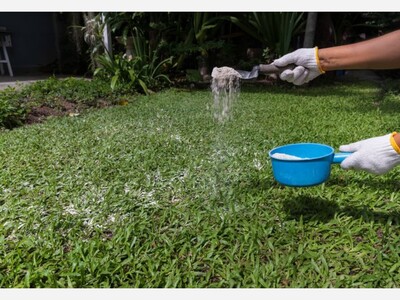
Boost the Soil:
Plant Smarter:
Water Effectively:
Mulch Matters:
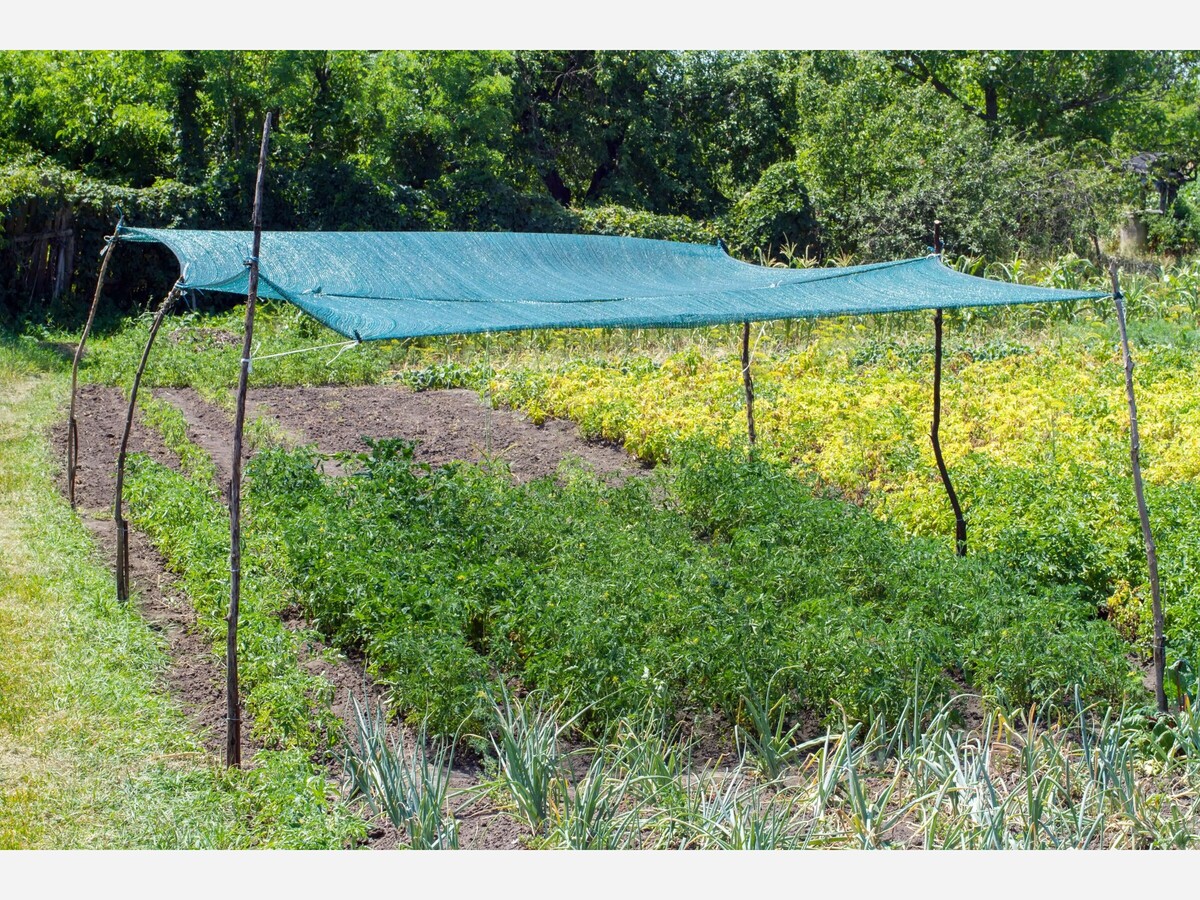
Shade and Shelter:
Watch for Pests:
“Gardeners can’t control the weather, but they can create more favorable microclimates for their plants,” says Stuart Leventhal, Owner, Down to Earth Living. “With a few simple steps, you can help your vegetables survive the summer heat and thrive well into the fall.”
Down to Earth Living Garden Center, located in Pomona in Rockland County, offers 12.5 acres filled with perennials, flowers, shrubs and trees, with new arrivals every week. The 10,000 square foot showroom also houses a large and unique selection of contemporary, classic, traditional, and transitional teak, aluminum and all-weather dining and deep-seating furniture. The center is open 9 – 5 every day and is located near Bergen County at 1040 Route 45. For questions, call 845-354-8500. Website is www.dteliving.com for more information.


Overcast, with a high of 58 and low of 44 degrees. Overcast in the morning, clear in the afternoon and evening, overcast overnight.