Image
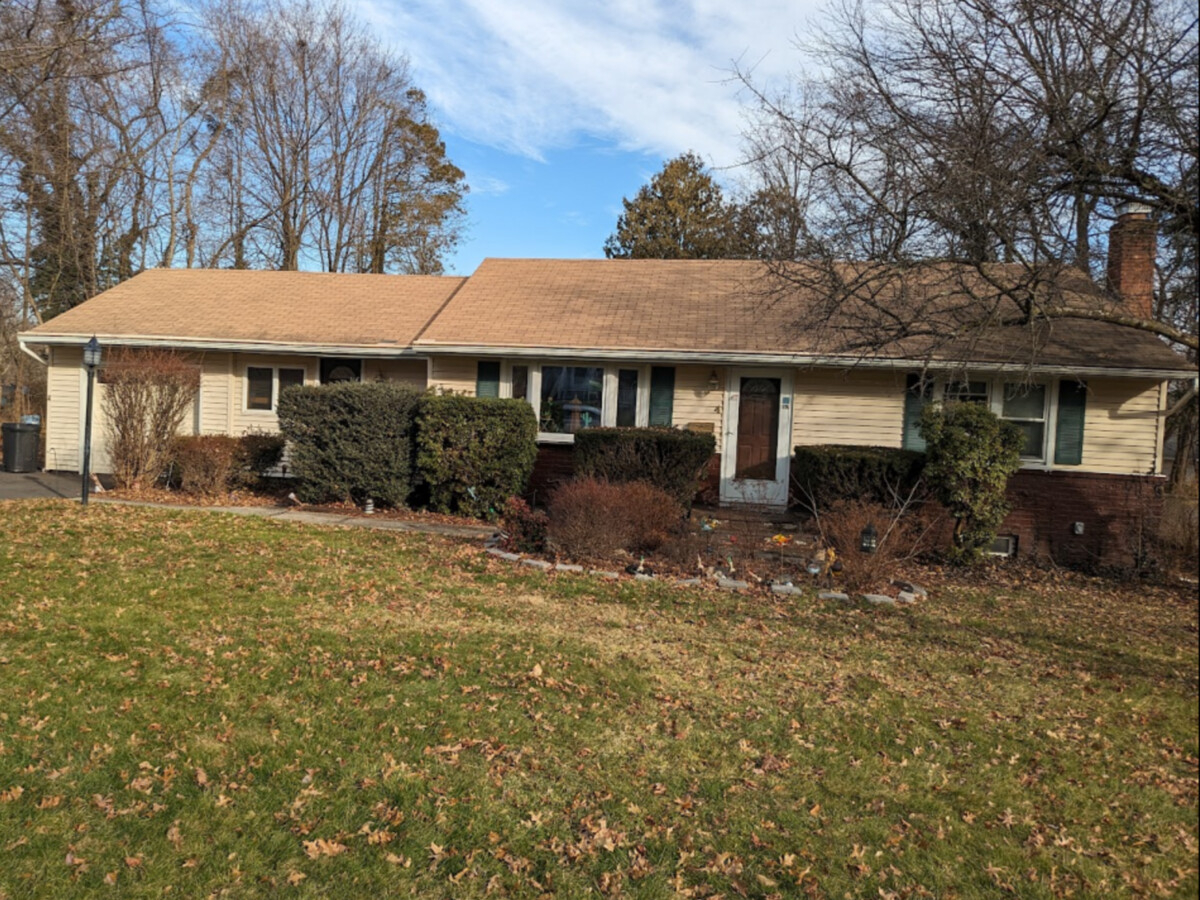
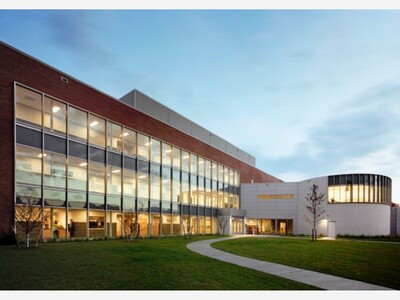
The exterior of 4 Ann Street, New City, the revolutionary model of accessibility.



Disability services and support organization BRIDGES is focusing on the implementation of the modern concept of Universal Design. Accessibility is often associated with disabilities, but it is much broader and more inclusive than that. Universal Design focuses on creating spaces that are usable by the widest range of people, regardless of age, ability, size, or circumstance. It’s not just about meeting minimum accessibility standards like curb cuts or handicap parking but about considering the entire community from the very beginning of a project. Universal Design is about creating environments where everyone, including those who are blind, deaf, tall, short, elderly, or living with medical conditions, can function comfortably and without restriction, with regard to body fit, comfort, awareness, and intuitive understanding of space.
BRIDGES has set forth on a new project bringing these principles to life. A home at 4 Ann Street in New City, New York has been purchased and is being completely rebuilt from the foundation up, incorporating Universal Design at every stage. The home will be a ranch-style, single-level structure with three bedrooms and two bathrooms, ensuring no-step entry and accessibility throughout. The vision is that anyone, regardless of physical condition or stage of life, can live in and enjoy the space with ease. Key features include walking paths designed to accommodate white canes, door hinges that swing to the side to maximize space, drawer-style microwaves, ramps, levers instead of doorknobs, automatic lighting, and strategically placed light switches. These physical adaptations make the space more functional and intuitive for everyone.
In addition to physical changes, there’s also a focus on shifting attitudes around accessibility. Universal Design is not just about functionality but equity and inclusion. When evaluating a space, consider whether someone with a disability could attend and enjoy the event just as fully as someone without a disability. These questions aim to challenge and quiet the biases and prejudices that often accompany discussions of accessibility. The Ann Street home is being created to stand as a model of not only what is possible, but of what should be standard.
The project is being led in partnership with a team of professionals and community members, including Bild Architecture and M4 Interiors, who are both part of the BRIDGES Housing Committee. Once finished, the house will be available for public tours for four to six weeks, allowing people to buy tickets, walk through, and experience firsthand how Universal Design works. These tours will serve as educational fundraisers and highlight how thoughtful design can simplify life. As many people may acquire a disability later in life, having homes that are already built to accommodate change is invaluable. This kind of space also supports long-term independence and aging in place.
Looking ahead, the organizers hope this is just the beginning. One potential path forward is for BRIDGES to develop a dedicated team focused on rebuilding homes and setting a new standard in the housing market. There is also interest in consulting and advocacy---working to influence legislation and policy so that universal design becomes the rule, not the exception. By engaging government and expanding awareness, this project could help drive a movement toward a more inclusive and equitable built environment for all.
BRIDGES will host a groundbreaking event at 4 Ann Street on July 17th at 10:00 am. Anyone interested in attending should contact BRIDGES at (845) 624-1366. For more information about BRIDGES services, visit www.bridgesrc.org/


Overcast, with a high of 58 and low of 44 degrees. Overcast during the morning, clear in the afternoon and evening, overcast overnight.