Image
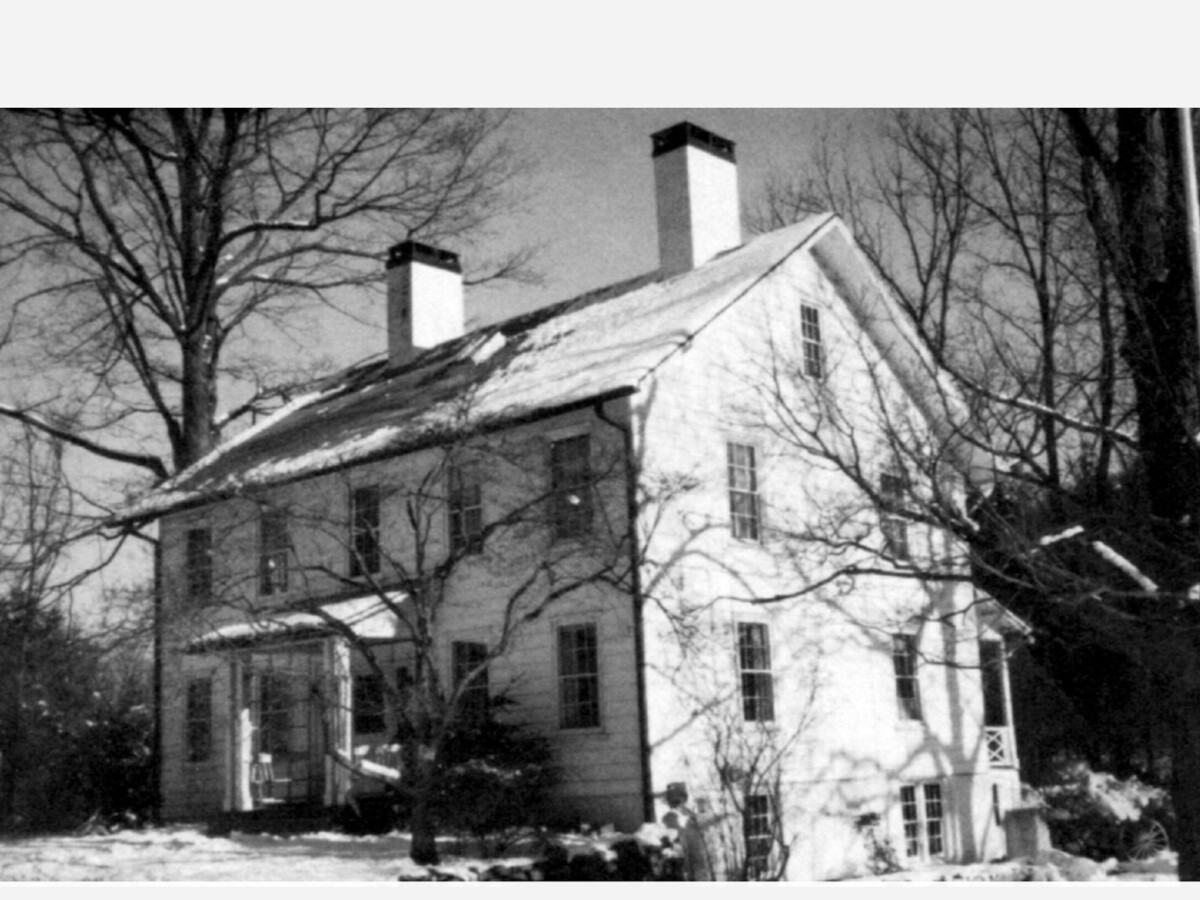
Sidman's, just south of Auntie El's farm market on Route 17, was among seven taverns that formed a line of communication about British troop movements during the American Revolution. Photo courtesy of Peter Bush



During the American Revolution, a handful of taverns along the road through the Ramapo Pass formed a network for sharing information about British troop movements to support the American cause.
The seven public houses on the Clove Road stretching from Suffern into Highland Mills were Stephen Sloat’s tavern in Sloatsburg, Suffern’s Tavern, Sidman's in Sloatsburg, Galloway's in Southfields, June's at Harriman, Smith's between Central Valley and Highland Mills, and Earl's in Highland Mills
These roadside landmarks were centers of social and political life where their landlords were purveyors of information and late news and were generally considered “people of repute.”
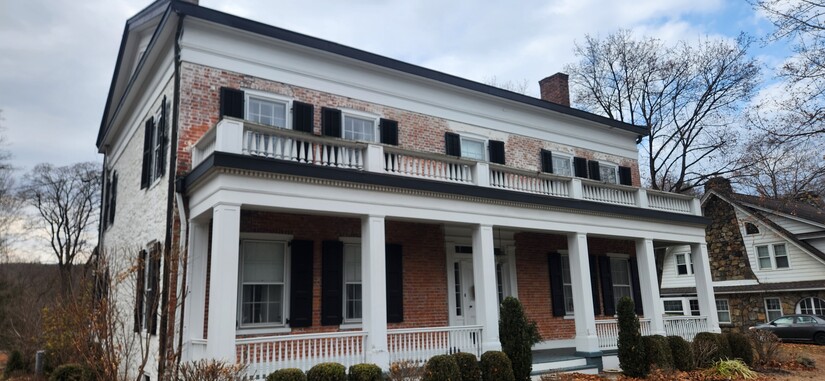 The Stephen Sloat homestead at the corner of Route 17 and Sterling Avenue, which has been a private home for decades, is currently on the market for $1,1 million. Photo: Peter Bush
An exhibit at at Harmony Hall-Jacob Sloat House in Sloatsburg timed for the celebration of the 250th anniversary of the American Revolution highlights the pivotal yet often overlooked role the Ramapo Pass corridor played in America’s fight for independence.
The yearlong exhibit, “The Seven Taverns Which Saved the Ramapo Pass,” is presented by the Friends of Harmony Hall in collaboration with the Tuxedo and Sloatsburg Historical Societies and produced by Jacob Sloat descendant Peter Bush.
The exhibit draws upon research by the late Richard J. Koke, curator emeritus of the New York Historical Society, and materials from the Bicentennial History of Sloatsburg, New York 1776–1976.
“The importance of the Ramapo Pass to the American cause is vastly underplayed, if not totally ignored, by most historians,” notes Bush.
The strategic importance of the Ramapo Pass was not lost on Gen. George Washington, records show. On June 6, 1779, he traveled from Ringwood Iron Works to Sloat’s Tavern where he spent the night. The Stephen Sloat home became headquarters for American troops stationed in the Ramapo Pass.
Only two of the buildings that once held taverns survive. The Stephen Sloat homestead at the corner of Route 17 and Sterling Avenue, which has been a private home for decades, is currently on the market for $1.1 million. Sidman's is part of Woodgrove Apartments campus just south of Auntie El's farm market on Route 17.
Harmony Hall provides a fitting setting for this commemorative exhibit. Built between 1846 and 1848, the Greek Revival mansion was the home of Jacob Sloat, a mill operator, inventor and philanthropist. The home has undergone significant restoration, including its glorious front porch with 10 imposing columns and dramatic floor to ceiling windows.
Guests and school groups are invited to contact the Friends of Harmony Hall to make appointments to visit the exhibit as the nation celebrates the 250th anniversary of the signing of the Declaration of Independence.
To arrange a visit to see the exhibit, send email to events@friendsofharmonyhall.org or call 845-712-5220. An event connected with the exhibit hosted by the presenters will be scheduled at a later date.
Harmony Hall-Jacob Sloat House is located at 15 Liberty Rock Road, Sloatsburg. Visit friendsofharmonyhall.org for more information.
Robert Brum is a freelance journalist who writes about the Hudson Valley. Contact him and read his work at robertbrum.com.


Sunny, with a high of 78 and low of 63 degrees. Clear in the morning, sunny for the afternoon, overcast for the evening, clear overnight.