43° and Clear



Image

WCA Mental Health Round Table Group
As communities worldwide prepare to recognize World Mental Health Day on October 10, Westchester Children’s Association (WCA) is drawing attention to new data showing that youth mental health challenges remain widespread while the systems available to identify and address those needs continue to face significant pressure.
According to WCA’s 2026 Mental Health Fact Sheet, 27 percent of New York children ages 3 to 17 were reported as having mental, emotional, developmental and/or behavioral (MEDB) problems in 2023-24, up from 26 percent the previous year. That means more than one in four children statewide are being affected.
At the same time, WCA’s data show significant demands on the support systems available to young people in Westchester. Across the county’s public schools, there is approximately one guidance counselor for every 311 students and one social worker for every 814 students.
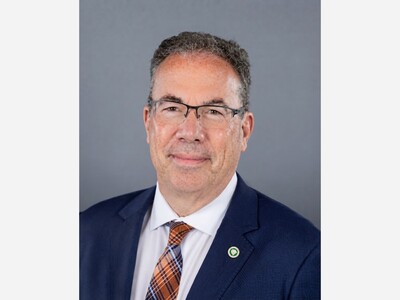
“When more than one in four children are experiencing mental, emotional, developmental or behavioral challenges, we have to look beyond the statistic and ask whether our systems have the capacity to respond,” said Adam Rabinovitch, Executive Director of Westchester Children’s Association. “Young people need opportunities to be heard, but they also need adults, schools, providers and communities equipped to recognize when something is wrong and connect them with meaningful support.”
WCA’s fact sheet also examines mental health funding within the 2026 Westchester County Adopted Operating Budget. According to the report, 0.61 percent of the county budget is dedicated to the Department of Community Mental Health, compared with 6.08 percent for the Department of Correction, a nearly tenfold difference in the respective shares of the operating budget. WCA highlights the comparison as part of its ongoing advocacy for stronger investment in prevention, early intervention and community-based mental health resources for children and families.
One of the most striking findings in the 2026 report involves Asian youth. Asian children ages 3 to 17 in New York report substantially lower rates of MEDB problems than several other racial groups. Yet among young people ages 15 to 24, Asian youth have the highest suicide rate compared withother racial groups in New York, according to data cited by WCA from the Centers for Disease Control and Prevention.
WCA notes that the disconnect between lower reported rates of mental, emotional, developmental and behavioral problems and the suicide data may reflect a broader pattern of underdiagnosis and underreporting.
The organization has previously explored mental health challenges facing Westchester’s Asian community through its Ground Truthing podcast episode, “Voices Unheard: Addressing Mental Health in the Asian Community,” which brought together mental health professionals and community leaders to discuss cultural stigma, identity, barriers to seeking care and ways to create more supportive environments for young people.
“These numbers remind us why we cannot assume that a lower rate of reported mental health challenges means there is a lower level of need,” Rabinovitch added. “Some young people may be struggling without ever appearing in the data until they reach a point of crisis. Early identification, culturally responsive care and reducing the stigma around asking for help are all critical pieces of the larger picture.”
The World Health Organization has designated the 2026 World Mental Health Day theme “Lived experiences heard: real voices, real change,” emphasizing the importance of ensuring that people affected by mental health challenges help shape the policies, services and decisions intended to support them.
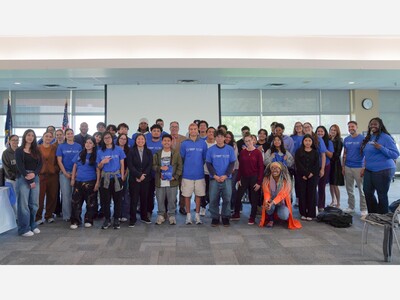
That approach is reflected locally in WCA’s Annual Youth Mental Health Roundtable, which brings together schools, mental health providers, nonprofits, government representatives and other community stakeholders to examine youth mental health needs, reduce stigma and identify opportunities to strengthen services throughout Westchester County.
WCA’s 2026 Mental Health Fact Sheet, developed with support from the Westchester County Board of Legislators, also identifies barriers to care including long wait times, limited provider availability, high costs and strained school-based resources. WCA points to expanded school-based supports, early intervention, a stronger youth mental health workforce and coordinated community responses as areas requiring continued attention.
For more information and to read WCA’s 2026 Mental Health Fact Sheet, visit wca4kids.org.
About Westchester Children’s Association
Westchester Children’s Association is the leading independent voice for children and youth in Westchester County. Since 1914, WCA has worked to identify the needs of Westchester’s young people, make those needs known and ensure that they are addressed. Through data analysis, public and policy engagement and community mobilization, WCA works toward a future in which every child is healthy, safe and prepared for life’s challenges, regardless of race or ZIP code.
# # #

Sunny, with a high of 67 and low of 43 degrees. Sunny in the morning, clear during the afternoon and evening,