59° and Clear



Image
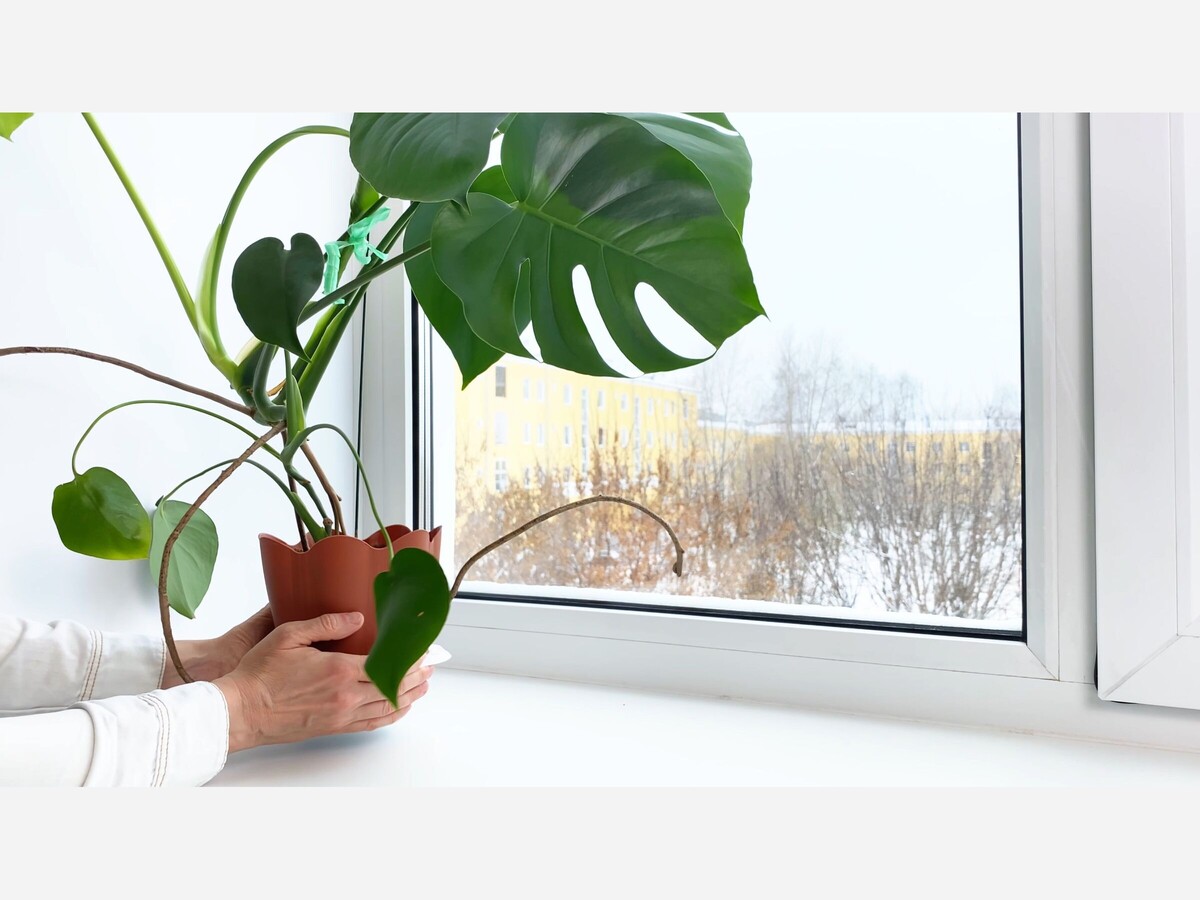
While outdoor gardens are dormant during the colder months, it’s an important time to adjust care for indoor plants. According to the experts at Down to Earth Living, issues like overwatering, low light, and dry indoor air, all adversely affect indoor plants. All familiar challenges for homes across Rockland, Bergen, and the Hudson Valley during the colder months.
“Most houseplants slow their growth significantly in winter,” said Stuart Leventhal, Owner, Down to Earth Living. “Simple changes to watering, light, and placement can help reduce stress and support plant health until spring.”
Key Indoor Plant Care Tips
Water Less
In the winter months, overwatering is a common issue, as most houseplants are not actively growing and require less moisture.
Prioritize Light
Short days and low sun angles make light one of the biggest winter challenges.
Increase Humidity
Indoor heating systems significantly reduce humidity.
Pause Fertilizing
Most houseplants benefit from a winter break from feeding.
Watch for Pests and Seasonal Leaf Drop
Staying attentive to these simple adjustments helps ensure healthy, attractive houseplants all winter long.
Once Down to Earth Living opens again for the season March 10th, they will offer free on-site potting and re-potting services for customers purchasing houseplants or new containers for existing plants.
Down to Earth Living, now in its 56th year, is a Garden Center serving Rockland, Bergen and Orange counties and the Hudson Valley, offering 12.5 acres filled with perennials, flowers, shrubs, and trees, with new plants arriving weekly. The 10,000-square-foot showroom features a selection of contemporary, classic, traditional, and transitional teak, aluminum, and all-weather dining and deep-seated furniture. Located at 1040 Route 45 in Pomona, N.Y., Down to Earth Living is closed for its winter break and will reopen on March 10. For more information, call 845-354-8500 or visit www.dteliving.com.


Sunny, with a high of 71 and low of 55 degrees. Sunny during the morning, overcast for the afternoon and evening, clear overnight.