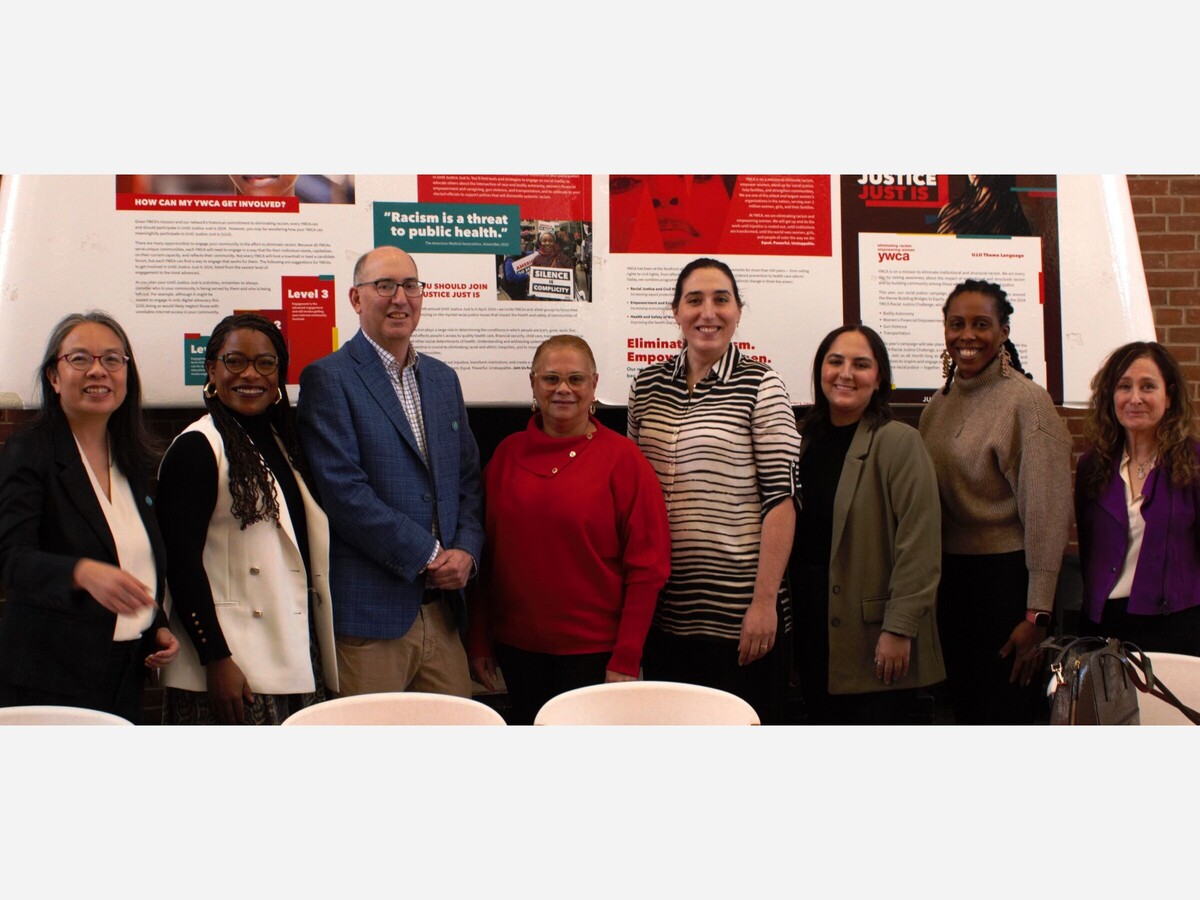
Westchester Children's Association (WCA), the county's leading independent voice for the children and youth of Westchester, held its 2nd Annual Poverty Pulse Panel Discussion on Thursday, December 11 at the YWCA in White Plains, NY. The discussion was led by a panel of nonprofit leaders who convened to confront what they describe as a widening disconnect between official poverty data and the lived experience of families across Westchester County.
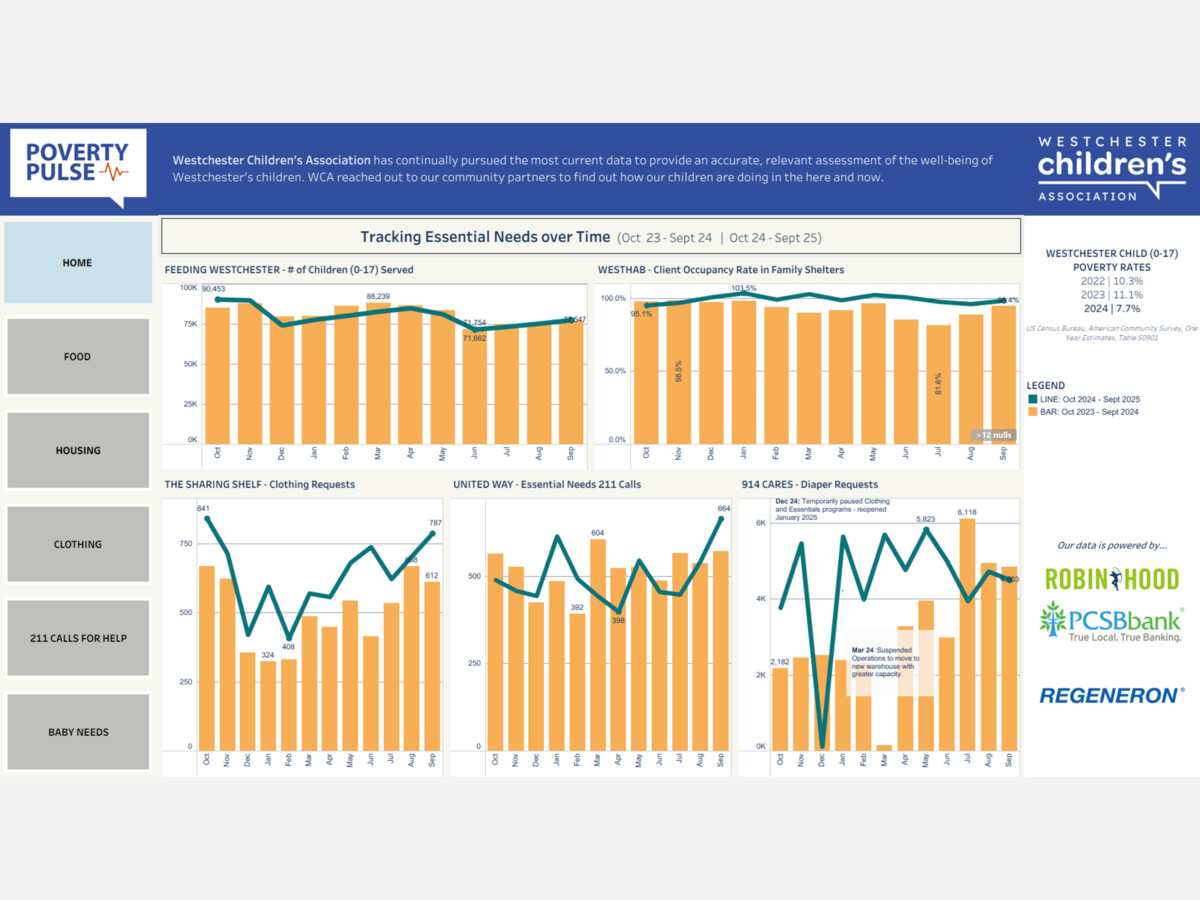
The WCA’s newly created online dashboard gathers timely data from five partner organizations: 914 Cares, Feeding Westchester, The Sharing Shelf, West Hab, and United Way of Westchester and Putnam. The dashboard shows that despite newly released data from the Federal Government which points to a drop in the Poverty Rate in 2024 from 11.1% to 7.4%, the demand for basic services like food, housing, and basic essentials continues to grow.
Limarie Cabrera, Director of Data, Finance, and Operations for WCA noted, “the Federal Poverty Rate is not only a delayed measure, but it has not been updated since its creation in the 1960s when food was the primary expense, and it doesn’t adjust for regional costs of living.” She added, “Despite the decrease in the Poverty Rate, demand for essential services has been increasing.”
The discussion revealed steep increases in requests for essential services including food, clothing, diapers, rental assistance, and utility support.
“I don’t believe the poverty numbers,” said Deborah Blatt, Founder and Executive Director of the Sharing Shelf. “This year we experienced a 45 percent increase in demand at some points. Month after month, we saw at least 100 additional requests for clothing. The need keeps rising.”
Food insecurity trends echoed the same urgency. According to Tami Wilson, COO of Feeding Westchester, “Last year we moved 21.1 million pounds of food. The year before that, 23.2 million,” said Wilson. “Those numbers reflect our resources, not the need. If you gave us $50 million tomorrow, we would still have families waiting for food.”
Additionally, helpline and social service responders are receiving increasing pleas from households who have exhausted all other options. “More callers are from working households. It’s not that people aren’t trying or aren’t working,” said Avery Zuvic of the United Way of Westchester and Putnam. “Some are working two jobs and still can’t afford utilities or food. They come to us because they’ve already tried everywhere else.”
The panel shared that rising demand strains nonprofit capacity and exposes systemic gaps for families whose incomes don’t qualify them for assistance but they still struggle to afford basic needs.
According to Sarah Carmona of 914 Cares, The Urban Institute recently calculated that Westchester County requires more than 8 million diapers per year just to meet need among low- and moderate-income families, a figure nonprofit leaders say demonstrates how official poverty measures underestimate real hardship.
Housing also remains a key issue for families. “The poverty rate on paper does not reflect the lived reality of families struggling to keep a roof overhead in Westchester.” According to Elissa Ramos of Westhab, “In June of this year our shelter capacity was at 90%. In 2024 it was at 71% and we are seeing more and more people. And a spike in families.”
Despite rising need, panelists emphasized continued commitment, innovation, and collaboration across organizations. The YMCA’s Executive Director Tiffany Hamilton asked participants, “What will you do with this data? Will I use it to influence and inform grants to tell the whole story of what exists in one of the wealthiest counties in our country? Will I use the data to inform legislation and advocacy agenda that yields real results? Because the children are watching, who will take this data and use it to change various systems.”
Adam Rabinovitch, Executive Director of WCA, concluded the event with a call to action to join Westchester Children’s Association advocacy efforts to strive towards the goal of cutting child poverty in half by 2032. “This will take policy changes including expanding cash assistance to meet basic needs and ensuring child tax credits are received by families that qualify for them. We all must continue to rise up and support our children.”
Anyone can sign up to receive advocacy alerts from WCA at www.wca4kids.org and learn more about poverty in Westchester by visiting the Poverty Pulse Dashboard on the site.
About Westchester Children's Association: Westchester Children's Association is a non-profit organization dedicated to improving the lives of Westchester's young people by shaping policies and programs to meet their needs, and by keeping the county’s decision-makers and the public informed about the issues affecting youth.

 68° and Overcast