31° and Light freezing rain



Image
Contributed by Down to Earth Living located in Pomona, New York www.dteliving.com
Down to Earth reopens for the Spring on March 11th
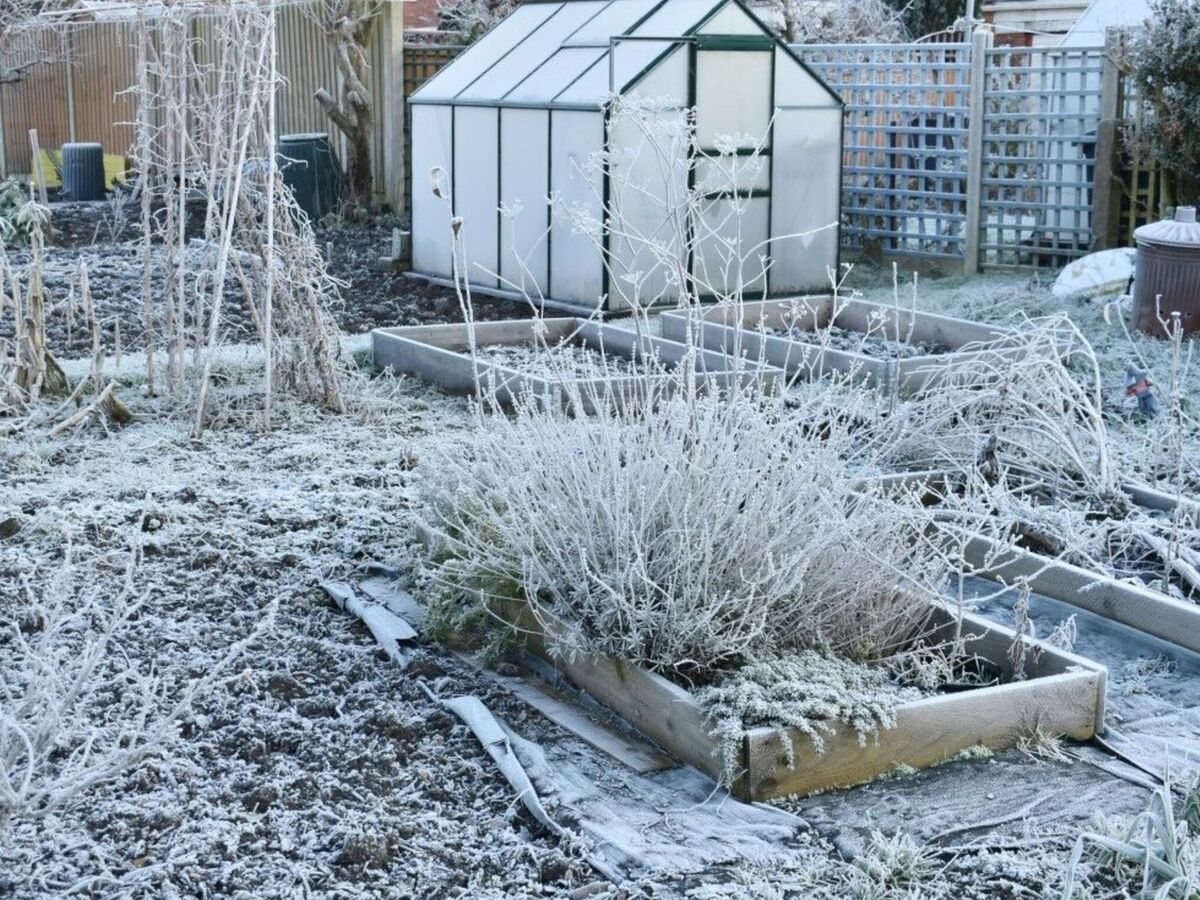
Now that our lawns and gardens are tucked under a pretty blanket of snow, it is easy to think you can let down your guard and take the season off. Not so fast! Protecting your plants is a year-round responsibility, particularly in our cold climate where temperatures regularly drop below freezing. Here’s our list of chores to ensure a happy outcome come spring:
Finish cleaning up—it is easy to overlook some items during fall cleanup so check that all furniture, gardening pots, and planters are safely stored away. Terra cotta, concrete, or ceramic pots can crack in freezing temperatures and metal chairs can rust during a moist winter.
Check on winter plant protection—Repair or replace torn deer netting and adjust plant stakes as necessary.
Mulch gardens—Plants become dormant when the ground has frozen, so adding winter mulch ensures that soil stays a constant cool temperature, preventing your plants from growing during warm spells—only to die back during the next cold snap. Keep mulch a few inches from the plant stem to keep pests and pathogens away.
Continue to prune sparingly—Storm-damaged branches should be removed promptly to prevent the bark from tearing. But keep in mind, some "dead" looking branches might be dormant.
Check on stored dahlias, cannas, and gladiolus bulbs—Make sure that none of them show signs of rot or drying out for best blooms this summer.
Inspect ornamental trees and shrubs for scale insects –It is best to catch bug problems early before they become a full-blown infestation.
Use sawdust, sand, or cat litter to melt icy areas near the lawn or garden areas—Salt is toxic to most plants, so use sparingly, or avoid altogether.
Keep bird feeders filled throughout the winter—A combination of sunflower seeds, peanuts, millets, suet, and fruits will attract a variety of birds to your garden. A heated water source for birds is a bonus as much of their available drinking water is often frozen.
Take a stroll and check your notes —Look over your winter garden and review any notes you may have kept to see which plants did and didn't do well last growing season. Winter is a great time to think about what you might want to try this spring.
For more tips and hints, visit www.dteliving.com If you sign up for their newsletter, you'll receive 10% off your first purchase.



Patchy moderate snow, with a high of 30 and low of 19 degrees. Patchy moderate snow in the morning, light snow during the afternoon, clear in the evening, patchy light snow overnight.