67° and Overcast



Image
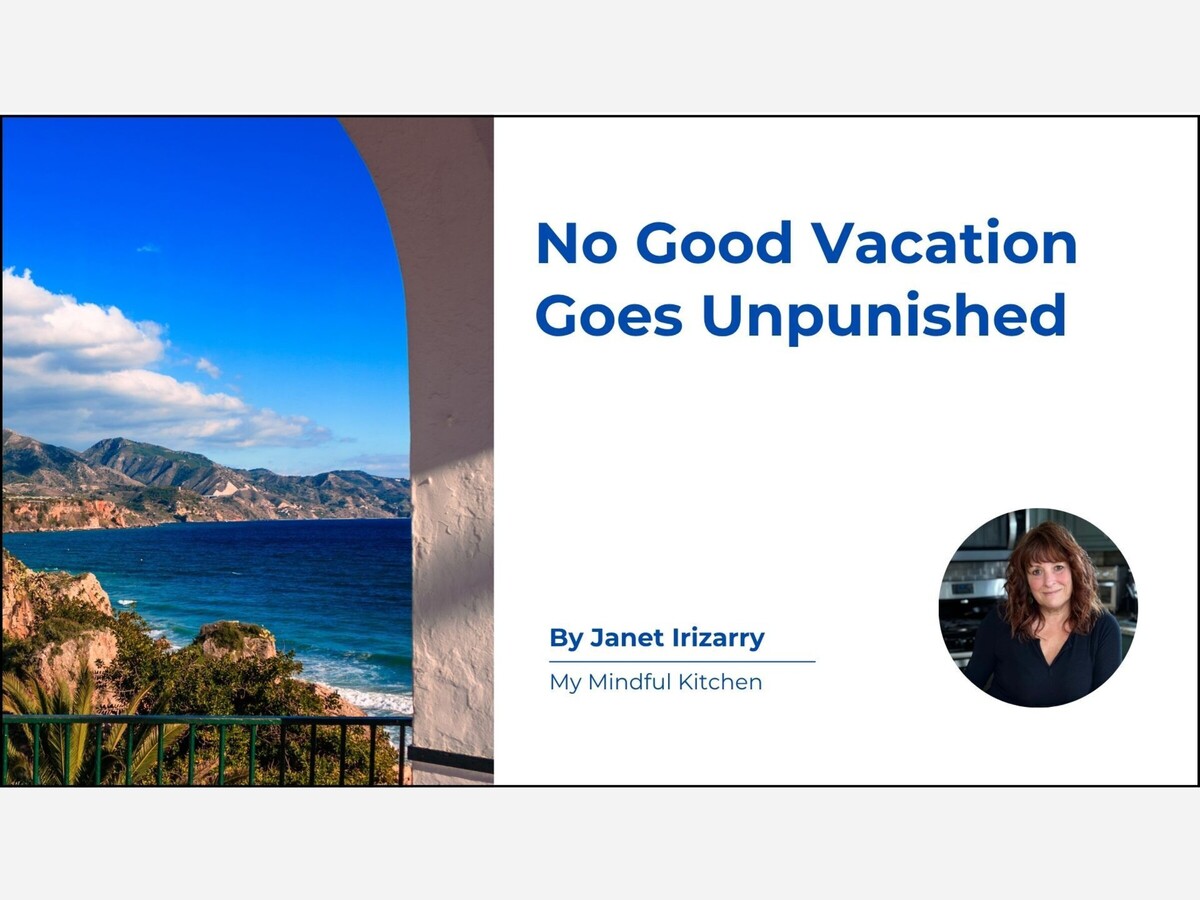
I'm back from taking a couple of weeks off. Treating myself to a vacation and pretty much unplugging for a while. It felt great, but now it's back to the real world. We have a little saying in my family, and I'm not sure who actually said it first, my father or my older brother Steve, but it's "No good vacation goes unpunished." Meaning that when you come back, there are always things that have piled up and you have to deal with.
This time it wasn't so bad, but I did get snapped back to reality at the grocery store. In fact, I'm writing this newsletter as I'm putting groceries away. Two bags, one hundred dollars, and me standing in my kitchen saying, "Seriously?"
And here's the thing. I was mindful about it, because that's just what I do. I made a list before I left the house. I stuck to it. I didn't wander the aisles or toss in extras. And still, sticker shock. I'm feeding two people. My heart goes out to anyone feeding a whole family right now. It is tough.
Most of us assume higher prices are about tariffs or politics or something happening far away in Washington. But have you ever connected it back to climate change? I don't want to make this heavy. We're already hearing enough about it in the news and feeling it in the weather. But you may not realize climate change is also behind what you're paying at the register. The weather is getting more extreme, and crops just can't grow the way they used to. When harvests shrink and supply chains get knocked around, the cost ripples all the way down to us.
If you're a subscriber to this newsletter, chances are you already care about the planet, but you may not realize how your food choices and habits connect to the bigger picture. The whole subject can give you a wave of helplessness, that "what am I supposed to do about this?" moment. But this is exactly why you're part of the Mindful Foodie community. We talk about this stuff because we do have agency, even when it doesn't always feel that way.
It's true, one person can't fix the global food system. But the small steps we take add up, and honestly, they feel good. For me they reconnect me to what I value. They give me something to do besides just absorbing the higher price. Even something as small as taking the leftover rice from Chinese takeout and turning it into Mexican stuffed peppers gives me a feeling of working toward something bigger than myself, and it feels good instead of the guilt I would have carried, and tried to ignore, if I'd dumped that rice in the garbage. The truth is, by using it, I also fought inflation with what I already had.
For me, it starts with what I already have. Before I shop, I open the fridge first. I look for what's softening, what needs to be used before it disappears into the back of a drawer. Last night's roast chicken becomes tomorrow's soup. Half a bag of spinach gets folded into eggs. Chef David Burke, during an interview I did with him, called this a "bonus meal" instead of leftovers, and I've come to love that name. It feels like something you're getting, not something you're settling for.
Turning last night's dinner into tomorrow's lunch puts a little less pressure on a system that's already stretched thin. It feels like participating instead of standing on the sidelines.
These choices won't reach the drought in one country or the flood in another, and I want to be honest about that. What they do give me is a place to stand. My kitchen becomes the spot where I decide how I respond to a world that often feels out of my hands.
So this week, before you shop, do one small thing. Open your refrigerator. See what's already there. Turn what's softening into something new. One small adjustment, made by one person, on one Thursday.
I can't lower the price of wheat. But I can decide what happens in my kitchen this week, and so can you. Start there. It's already enough.

Sunny, with a high of 74 and low of 53 degrees. Sunny for the morning, overcast in the afternoon and evening, patchy rain nearby overnight.